Tax sale in Guilford County, North Carolina: what investors should know
Guilford County does not sell tax lien certificates. Delinquent property taxes end in a foreclosure sale run by an outside attorney, and that changes how you find, approach and value these deals.
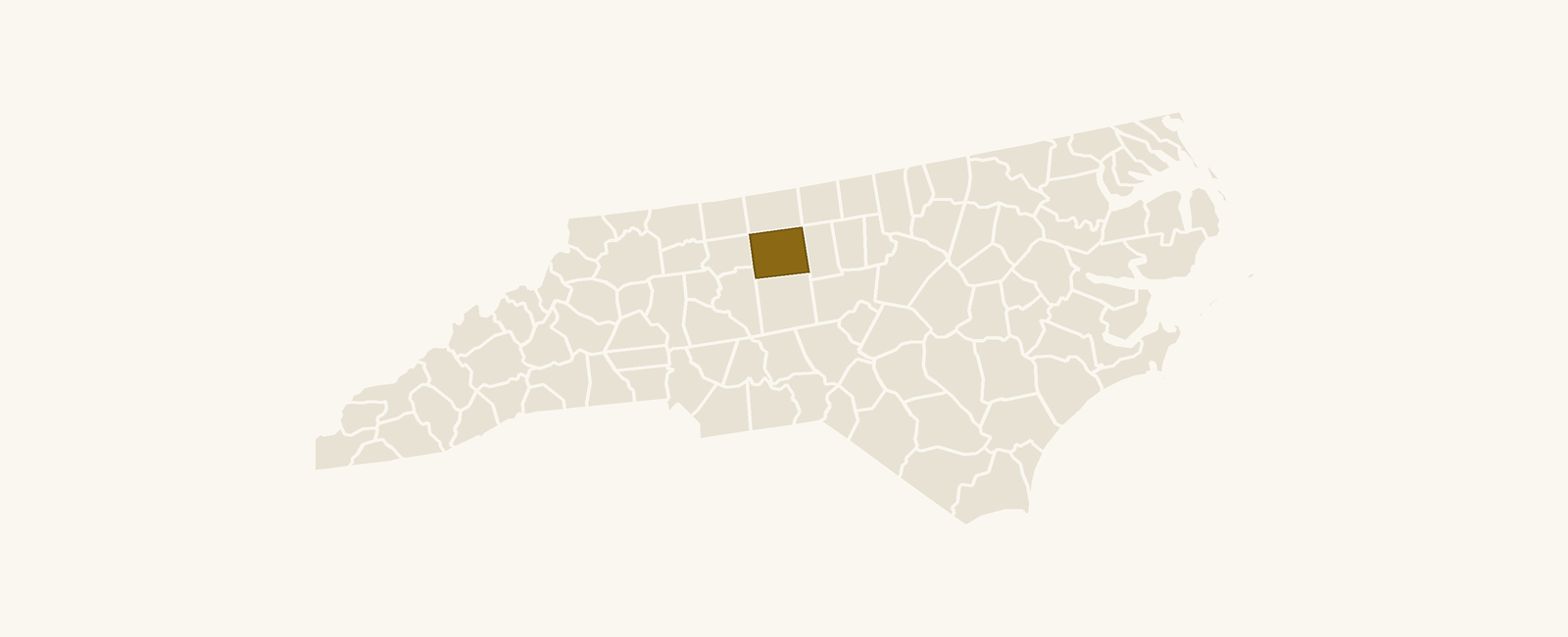
What the housing market looks like behind a Guilford County tax sale
Guilford County has 235,833 housing units and a population of 542,987, with a median home value of $235K. That is a mid-priced market, which matters because a tax debt is small compared with the value of the house in most cases. A tax sale Guilford County North Carolina investors chase is rarely about a cheap lot; it is usually about an owner who stopped paying and stopped answering.
Equity is real but uneven. About 60% of homes are owner-occupied, and 35% of those owners have no mortgage, a little below the U.S. figure of 39%. That means a somewhat larger share of owners carry a loan than in the typical county, so a tax debt may sit alongside a mortgage lender with its own claims. Treat every property as its own title question.
Housing stock is newer than average. Only 6% of homes were built before 1940, against 12% nationally, and 63% are single-family detached, close to the 61% U.S. share. Repair budgets will still vary house by house, but you are less likely to be pricing century-old plumbing across the board.
Vacancy is lower than the national rate. At 8% of housing units, against 10% for the U.S., there is less slack in the market. New permits for 2025 came to 2,876 units, a 25% drop from 2024, which points to a tighter supply of new homes and supports demand for existing ones.
Source: U.S. Census ACS 2023
Which filings come before a sale here, and why
A tax foreclosure is the last step of unpaid property taxes, but the same households often show other signs of stress first or alongside it. Understanding the other filings helps you read the situation correctly.
- Tax sale: unpaid property taxes lead to a foreclosure action that can end in a public sale.
- Pre-foreclosure: a lender starts the process on a mortgage. If both a lender and the county have claims, the order of priority matters.
- Probate: after a death, taxes can go unpaid while heirs sort out who owns the house. With 16% of residents aged 65 or older, close to the U.S. 17%, estates are a steady part of the picture.
- Divorce: one spouse may leave, and neither pays the bills while the property question is open.
- Partition: co-owners, often heirs, disagree about selling, and taxes can slip in the meantime.
These are public court records, and Keystone delivers them matched to the owner and property. What matters for your strategy is what each one says about the owner's position and timeline.
How the tax foreclosure process works in Guilford County
No lien certificates. According to the county, state law prohibits the sale of property tax liens, so Guilford County does not sell tax lien certificates. Tax foreclosures are handled by an outside attorney, Zacchaeus Legal Services. If you were hoping for an interest-bearing certificate, that model does not exist here.
Opening bids and the deed. If no one places an opening bid at a tax lien foreclosure sale, the county, city, or town bids the minimum opening bid. The final bidder receives a Commissioner's Deed. That deed comes out of a court-supervised foreclosure, so you should understand what it does and does not clear before you bid.
Sale mechanics. The county's foreclosure information says sale dates are set as needed and sales occur at noon. The deposit is 20% of the bid, paid in cash or certified funds made payable to Zacchaeus Legal Services. Have funds arranged in the right form before you show up.
Timing and the upset bid. A North Carolina tax foreclosure sale stays open to higher bids: an increased bid can be filed within 10 days after the commissioner files the report of the sale (G.S. 105-374(o)). Owners can pay what is owed before the sale, and under G.S. 105-374 an owner can still redeem after the sale until the court confirms it. An attorney can explain how those deadlines apply to a given case. North Carolina's tax collection statutes are in Chapter 105, Article 26 of the General Statutes.
Who collects. The county Collector's Office collects property taxes for Greensboro, Jamestown, Oak Ridge, Pleasant Garden, Sedalia, Summerfield, Whitsett, Gibsonville, and parts of Archdale, Burlington, Kernersville, and High Point. So a delinquency in one of those places may involve county collection rather than a separate town process.
For probate-related situations, estates in North Carolina are handled through the clerk of superior court, and who can sign a deed depends on the estate. Confirm authority with an attorney.

The tax calendar and reappraisal: what it means for delinquent owners
Guilford County revalues real estate every five years. The county's tax page gives 2022 as the most recent revaluation and lists a 2026 reappraisal as upcoming. A new valuation can change tax bills, and owners on fixed incomes or with estates in limbo may feel it first.
The county also notes that personal property must be listed during January to avoid a 10% late listing penalty, while real property need not be listed unless an improvement or deletion was made. That distinction is worth knowing when you talk to an owner who also has a business, a rental or equipment, since a tax problem is sometimes bigger than the house.
Do not assume you know what an owner owes. Ask them, and let them tell you what they know.
How to approach owners respectfully and legally
People facing a tax foreclosure are often embarrassed, overwhelmed, or grieving. Many have received official letters and a lot of aggressive offers already. A calm, honest approach stands out.
Be plain about who you are. Say your name, that you are an investor, and what you are offering. Never imply you are from the county or the court, and never suggest a sale is guaranteed to stop a foreclosure.
Respect phone rules. If you call, scrub against the National Do Not Call Registry, honor internal do-not-call requests, and follow North Carolina telemarketing rules, including calling-hour limits. Mail or an in-person note is often kinder than a cold call, but the same rule applies: stop when asked.
Do not pressure. Encourage owners to talk with an attorney, a housing counselor, or family. Where a death is involved, wait for the right person to speak for the estate. A fair offer that holds up to a second opinion is better than one that depends on urgency.
What to look for before you make an offer or bid
Know your real buyer position. At a sale, you are bidding against the opening bid set by the county, city, or town, and others may bid too. Decide your maximum before the day, and plan for the 20% deposit in cash or certified funds.
- Title: have an attorney confirm what the Commissioner's Deed conveys and whether other liens or interests remain.
- Occupancy: an occupied house may require a legal removal process. Do not plan on self-help.
- Condition: price repairs with a contractor, especially since you may not see inside.
- Exit: HUD Fair Market Rent for the Greensboro-High Point area is $1,330 a month for a 2-bedroom and $1,703 for a 3-bedroom. Compare those with your all-in cost to test a hold. Remember that the median home value of $235K sets the resale ceiling many buyers will anchor to.
If you want tax sale filings matched to owners and properties, Keystone has a Guilford County page and a tax sale leads overview, and you can try a county free for 7 days with no credit card.
Questions investors ask
Does Guilford County sell tax lien certificates?
No. The county says state law prohibits the sale of property tax liens, so there are no certificates to buy. Tax foreclosures are handled by an outside attorney, Zacchaeus Legal Services.
What do I get if I win a tax foreclosure sale?
The final bidder receives a Commissioner's Deed. If no one places an opening bid, the county, city, or town bids the minimum opening bid. Have an attorney explain what the deed does and does not clear.
How much do I need to bring to a sale?
The county's foreclosure information lists a deposit of 20% of the bid, paid in cash or certified funds made payable to Zacchaeus Legal Services. Sales occur at noon, with dates set as needed. Confirm payment rules with the attorney handling the sale.
Can an owner stop a tax foreclosure?
Owners can pay what is owed before the sale, and under G.S. 105-374 they can still redeem after the sale until the court confirms it. An increased bid can also be filed within 10 days after the commissioner reports the sale (G.S. 105-374(o)). An attorney can explain how those deadlines apply to a given case.
Can I call owners facing a tax sale?
You can, but you must follow the National Do Not Call Registry, honor any request to stop, and follow North Carolina telemarketing rules. Be honest about who you are and do not pressure anyone. Mail is often a gentler first step.
See Guilford County leads for 7 days, free
Real court filings with the owner and property matched. No credit card.