Investing in Union County, North Carolina: where motivated sellers come from
Most homes here are owner-occupied, single-family and newer than the national average. That shapes which sellers you meet and what you should check before an offer.
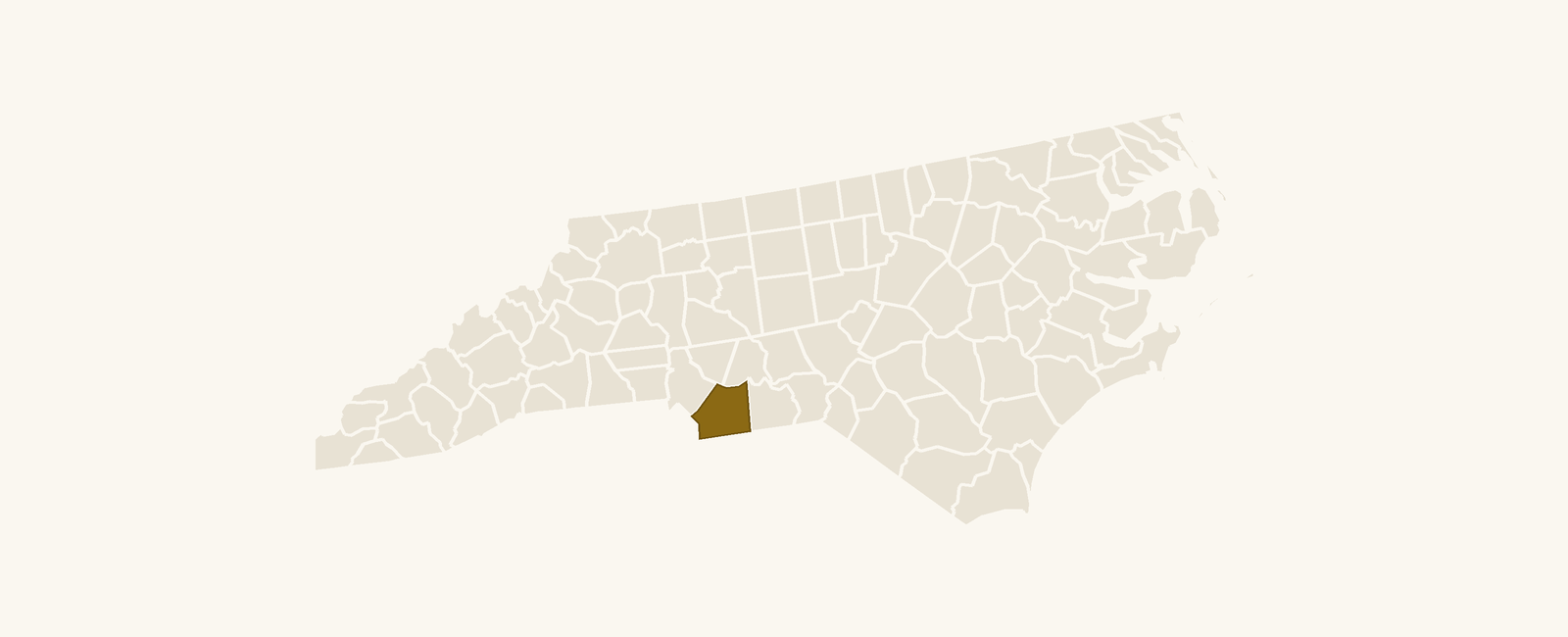
What the housing looks like for Union County North Carolina real estate investing
Union County has 86,730 housing units and a population of 244,975, and 82% of homes are owner-occupied. That is a market of homeowners, which is why Union County North Carolina real estate investing looks different from a renter-heavy city. The county seat is Monroe.
Single-family is the product. About 87% of homes are single-family detached, against 61% nationally. Only 3% were built before 1940, versus 12% nationally. Expect fewer century-old money pits, though age is not the only thing that drives repair costs.
Vacancy is low. Just 5% of housing units are vacant, compared with 10% across the U.S. Boarded-up, abandoned houses are less typical, so a seller in trouble is usually still living in the home or has just left it.
The median home value is $374K. Permits tell you builders are active: 2,707 new units were permitted in 2025, a change of +16% from 2024. New construction competes with the resale houses you might buy, so price your exit against it.
Source: U.S. Census ACS 2023
Why equity and age shape the sellers you meet
In Union County, 28% of owner-occupied homes have no mortgage, below the U.S. figure of 39%. More homes carry a loan, so a sale prompted by death, divorce or debt often has a lender to be paid first. Equity exists, but you should never assume it.
Residents aged 65 or older are 13% of the population, under the U.S. 17%, and the median age is 39.1 against 38.9 nationally. Probate matters here, but this is a younger, family-oriented county. Divorce and financial strain on working households deserve as much attention as estates.
- Estates: heirs often live elsewhere and want a clean, quick sale.
- Divorce: one or both spouses may need to sell or buy out the other.
- Debt: a missed mortgage or tax payment can turn a stable owner into a motivated one.
Which filings tend to come before a sale here
A court filing is not a for-sale sign, but it often marks a moment when someone has to make a decision about a house. Union County leads typically come from these types:
- Pre-foreclosure: a lender has begun the process after missed payments. The owner may want to sell before the foreclosure finishes.
- Probate: an owner has died and a personal representative is handling the estate. Sale of the house may be needed to pay debts or divide assets.
- Divorce: property division can force a sale or a buyout.
- Tax sale: the county pursues unpaid property taxes through foreclosure.
- Partition: co-owners, often heirs, cannot agree and one asks a court to resolve it, which can end in a sale.
These are public records, and Keystone delivers them matched to the owner and property for this county. What matters for you is understanding each situation well enough to be helpful.

How the process works in North Carolina, in plain terms
Mortgage foreclosure. North Carolina mortgages are usually secured by a deed of trust with a power of sale, so foreclosure generally runs through a hearing before the Clerk of Superior Court rather than a full lawsuit. The rules are in Chapter 45 of the North Carolina General Statutes. Notice and bidding periods are set by statute, so confirm timing for a specific property with an attorney.
Tax foreclosure. The Union County Tax Administrator pursues delinquent real and personal property taxes through foreclosure, using either in rem or judicial methods. In an in rem foreclosure, the county dockets a judgment against the property and proceeds with a tax sale, with ownership conveyed by Sheriff's Deed. In a judicial foreclosure, which is a civil action, ownership is conveyed by Trustee's Deed or Commissioner's Deed. The deed type tells you which route was used.
The tax calendar. The county rate for fiscal year 2026-2027 is 43.42 cents per $100 of assessed valuation. Taxes are due Sept. 1, 2026, and must be paid on or before Jan. 5, 2027 to avoid interest. Late payments incur 2% for January plus three-fourths of 1% each month after. A small bill can grow, which is part of what pushes an owner to sell.
Reappraisal. The county reappraises at least every eight years, with the last in January 2025. If you buy and rehab, your tax bill may differ from the prior owner's. Assessment appeals go to the Board of Equalization and Review, and the 2027 window opens January 1 and closes when the Board adjourns.
Probate and divorce. Estates are supervised through the Clerk of Superior Court, and the personal representative, called an executor or administrator, can sell estate real estate under authority in the will or through a special proceeding before the clerk. Property division in divorce follows North Carolina family law, and an absolute divorce requires a one-year period of separation first. Rules vary by case, so confirm specifics with an attorney.
How to approach owners respectfully and legally
The people behind these filings are often grieving, stressed or embarrassed. Lead with honesty: say who you are, that you buy houses, and that there is no pressure. A short letter that offers help and leaves the next step to them often works better than repeated contact.
Follow the phone rules. If you call, respect the National Do Not Call Registry and North Carolina telemarketing rules, including calling-hour limits and honoring opt-out requests. When in doubt, ask an attorney. Texts and automated messages carry their own restrictions.
Do not give legal or tax advice. Suggest owners speak with an attorney, a housing counselor or the personal representative's lawyer. For heirs, be clear who has the authority to sign. For owners facing foreclosure, never ask them to sign over title without time to review and legal advice.
If someone says no, thank them and stop. Your reputation in a county this size is worth more than one deal.
What to check before you make an offer
Price against rents if you plan to hold. HUD Fair Market Rent for the Charlotte-Concord-Gastonia, NC-SC area is $1,686 monthly for a 2-bedroom and $2,076 for a 3-bedroom. With a median value of $374K, run the numbers carefully on the property type you are considering.
Plan repairs. With few pre-1940 homes, many houses will be newer, but deferred maintenance is common in distressed sales. Get a real inspection.
Understand the debts. A mortgage payoff, back taxes, other liens and the status of any estate or divorce can all change what a seller can accept. Have a title professional and an attorney confirm what is owed and who can sign.
Account for new construction. With 2,707 units permitted in 2025, your resale buyers may compare your house with a new one. Price your exit with that in mind.
If you want to see how matched filings are delivered, read how it works or try the county free for 7 days with no credit card.
Questions investors ask
Is Union County a good place for real estate investing?
It is a stable, owner-occupied suburban market, with 82% owner-occupied homes and 5% vacancy. Single-family houses dominate at 87% of homes. Whether it fits you depends on your strategy, your buy price and your repair and rent numbers.
Is foreclosure judicial in North Carolina?
Most mortgage foreclosures use a power of sale in a deed of trust and go through a hearing before the Clerk of Superior Court. Tax foreclosures can be in rem or judicial in Union County. Confirm the process and timing for a specific property with an attorney.
Can an executor sell a house in North Carolina?
Often yes, if the will or court authority allows it and the personal representative has been appointed. Requirements can vary by estate, so the representative should confirm the steps with an estate attorney. Buyers should ask who has authority to sign.
What happens if property taxes go unpaid in Union County?
Late payments incur 2% for January plus three-fourths of 1% each month after the Jan. 5 deadline. If taxes stay unpaid, the Tax Administrator may pursue foreclosure by an in rem or judicial method. Owners should talk with an attorney or the county about their options.
Can I cold call owners I find through court filings?
You can contact owners, but you must follow the National Do Not Call Registry and North Carolina telemarketing rules. A respectful letter is a lower-pressure option. Check your plans with an attorney.
See Union County leads for 7 days, free
Real court filings with the owner and property matched. No credit card.