Investing in Gaston County, North Carolina: where motivated sellers show up in the court record
Mostly single-family houses, newer stock than the national average, and a tax foreclosure system that works differently from most states. Here is what that means for your offers.
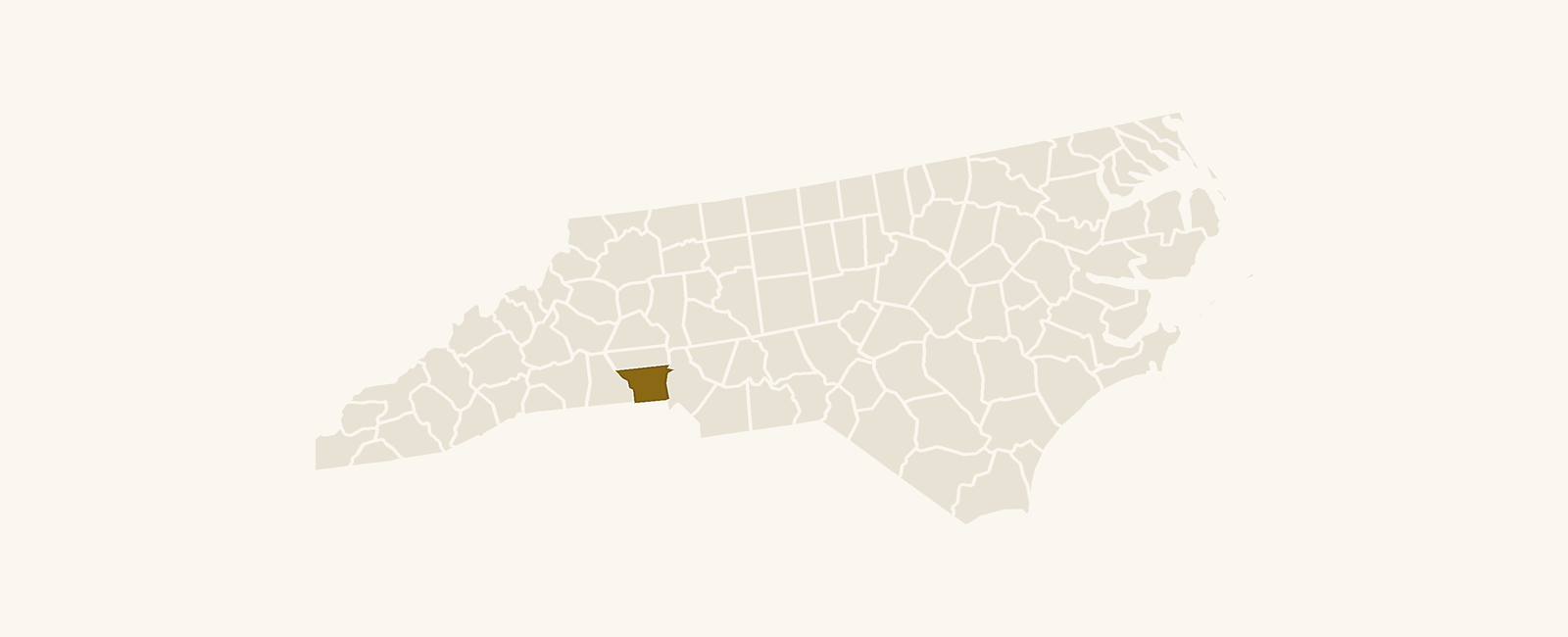
What housing in Gaston County looks like
Gaston County has 100,109 housing units and 231,485 residents, and about 73% of those homes are single-family detached. The U.S. figure is 61%. If you invest here, you are mostly buying, fixing and renting houses, which suits wholesalers, flippers and landlords alike.
Ownership is solid but not extreme. About 66% of homes are owner-occupied, and 37% of owner-occupied homes are owned free and clear (U.S.: 39%). That is close to the national picture, so do not assume every estate or divorce sale comes with big equity. Check each situation on its own.
The median home value is $235K. Vacancy is 8% against 10% nationally, which points to a market where homes do not sit empty as often as elsewhere. Only 7% of homes were built before 1940 (U.S.: 12%), so you will see fewer true antiques than in older Northeast and Midwest markets. Residents aged 65 or older make up 16% of the population (U.S.: 17%), and the median age is 39.5 (U.S.: 38.9). In plain terms, this is an average-aged county, not a retirement market.
If you want the broader state picture, see our North Carolina page. The figures above come from the Census Bureau's American Community Survey.
Source: U.S. Census ACS 2023
Which court filings come before a sale in Gaston County
A court filing is often the first public sign that an owner may need to sell. Each type tells you something different about the owner's situation and timeline.
- Pre-foreclosure: a lender has started the process after missed mortgage payments. The owner may want out before the sale, but may also be hoping to catch up or modify the loan.
- Probate: an owner has died and the estate is being opened. The heirs or the personal representative often did not choose to own a house and may prefer a clean, quick sale.
- Divorce: a couple is dividing property. A house that neither spouse can afford alone often ends up sold.
- Tax sale: unpaid property taxes have led to a foreclosure action by the county. Here that means tax foreclosure, not a tax lien or tax deed sale.
- Partition: co-owners, often heirs, disagree about what to do with shared property, and one asks a court to force a sale or division.
These filings are public records. Keystone Court Data delivers them with the owner and property already matched, county by county, and you can see the Gaston County lead types on our Gaston County page.
How the process works in North Carolina, in plain terms
Mortgage foreclosure is mostly out of court. In North Carolina, most home loans use a deed of trust with a power of sale. That means a lender typically does not file a traditional lawsuit. Instead, a hearing is held before the clerk of superior court, and if the lender proves its right to foreclose, a sale can be scheduled. After a sale, North Carolina law allows an upset bid period, in which others can raise the bid. The details are in Chapter 45 of the North Carolina General Statutes, and the exact timing in any case is a question for an attorney.
Probate is handled by the clerk. In North Carolina, the clerk of superior court acts as judge of probate. The personal representative appointed by the clerk, either the executor named in a will or an administrator, is the person with authority to deal with estate property. Whether that person can sell without further court approval depends on the will and the situation, so a seller should confirm with an estate attorney.
Divorce and partition move on their own tracks. Property division in a divorce can take time and may involve a court order or a negotiated agreement. Partition cases involve co-owners and can end with a court-ordered sale. In both, who can sign a deed and when varies, so a purchase contract should account for that.

How tax foreclosure sales run in Gaston County
This is where Gaston County differs from states with tax lien or tax deed auctions. Per the county's published tax foreclosure information, Gaston County does not hold tax deed or tax lien sales, and it does not allow paying someone's taxes in exchange for ownership. The Tax Director may use the In Rem method of foreclosure once a real property tax bill is delinquent.
Sales are run by the Sheriff's Office. They take place in front of the Gaston County Courthouse in Gastonia, and properties are sold as is with no warranties or guarantees. Bidders must be present, because written or telephone bids are not accepted.
Cash matters at the sale. The highest bidder must have a 20% deposit in cash or certified funds, or the property is resold on the spot. After the sale, the upset bid period is 10 days and restarts with each upset bid. An upset bid must exceed the current bid by a set percentage or minimum amount, whichever is greater.
The winning bidder then has 10 days after the upset period to bring the remaining funds, or forfeits the deposit and the property is resold. Buyers receive a non-warranted sheriff's deed, and properties that do not sell become county-owned surplus. Because of the as-is, no-warranty terms, bring an attorney into any title questions before you bid.
Rents, new construction and the 2027 reappraisal
For buy-and-hold math, HUD's Fair Market Rent for the Charlotte-Concord-Gastonia, NC-SC area is $1,686 per month for a two-bedroom and $2,076 for a three-bedroom. Gaston County is part of that area, so treat these as a reference point, not a quote for any one street. Source: HUD User.
New supply is picking up. The county permitted 2,343 new housing units in 2025, a change of +13% from 2024, according to the Census Bureau's building permits data. Newer construction competes with the older houses you may rehab, so price your exit against what a buyer could get new.
The 2027 reappraisal is a date to know. Gaston County has moved to a four-year reappraisal cycle, with the next effective date January 1, 2027. Notices go out in February 2027 and tax bills in July 2027. Owners who appeal go to the Board of Equalization and Review, which typically adjourns the last week of April. A higher bill can squeeze owners who are already stretched, which is useful context when you talk with them, not a reason to push.
Local markets differ across the county. Gastonia, the county seat and largest city, is a very different market from Mount Holly, Belmont or Bessemer City, where the lithium processing history adds its own local economic story. Price each deal on the street in front of you.
How to approach owners respectfully and legally
The people behind these filings are often grieving, going through a divorce, or behind on their payments. A short, honest, low-pressure message does better than a hard pitch, and it is the right way to treat people.
Be clear about who you are. Say that you buy houses, that you are not their lender or the court, and that they are free to say no. Never imply you are affiliated with the court, the county or a bank. Do not make promises about what you can do for their case.
Follow the phone rules. If you call, check the National Do Not Call Registry and honor it, and follow North Carolina's telemarketing rules and the federal rules from the FTC. Respect any request to stop contact right away. Letters and in-person notes are also options, but the same respect applies.
Do not give legal advice. Encourage owners to talk with an attorney, a housing counselor or the estate's lawyer if they have questions. If a seller is in foreclosure, the equity and the timeline matter, and they deserve a straight answer about the options, including ones that do not involve selling to you.
What to look for before you make an offer
Confirm who can sign. In probate, that is the personal representative. In a divorce, it may be both spouses or depend on a court order. In partition, it may be several heirs. A purchase contract should be signed by everyone who has authority, and an attorney should verify it.
Look at the equity honestly. About 37% of owner-occupied homes here are owned free and clear, so some sellers will have plenty of room, but many will not. Compare any mortgage, tax or other claim against the price before you spend time on repairs.
Budget for the age of the house. With fewer pre-1940 homes than the national average, many Gaston County houses are newer, but roofs, HVAC, plumbing and electrical can still be due. Inspect before you commit.
If the property is tied to a tax foreclosure, remember the sale is as is with a non-warranted sheriff's deed, the upset bid period can extend the timeline, and funds must be ready on a strict schedule. Have your attorney review title before bidding.
To see how delivered court data fits into your process, read how Keystone works or review pricing.
Questions investors ask
Does Gaston County sell tax liens or tax deeds?
No. Gaston County does not hold tax deed or tax lien sales. It uses tax foreclosures, and purchasers receive a non-warranted sheriff's deed. Paying someone's taxes in exchange for ownership is not allowed.
How do Gaston County tax foreclosure sales work for bidders?
The Sheriff's Office conducts the sales in front of the Gaston County Courthouse in Gastonia. You must be present, and the highest bidder needs a 20% deposit in cash or certified funds. An upset bid period of 10 days follows, and it restarts with each upset bid.
Who handles probate in North Carolina?
The clerk of superior court acts as judge of probate. A personal representative has authority over estate property, but whether a sale needs extra approval depends on the will and the case. Confirm with an estate attorney.
Is Gaston County a good market for buy-and-hold?
The numbers give you a reference. HUD's Fair Market Rent for the Charlotte-Concord-Gastonia area is $1,686 for a two-bedroom and $2,076 for a three-bedroom, and the median home value is $235K. Run your own numbers by property, since rents and condition vary a lot street to street.
When is the next property reappraisal in Gaston County?
The next effective date is January 1, 2027. Notices are mailed in February 2027 and tax bills in July 2027. Real property appeals go to the Board of Equalization and Review, which typically adjourns the last week of April.
See Gaston County leads for 7 days, free
Real court filings with the owner and property matched. No credit card.