Pre-foreclosure in Montgomery County, Ohio: what investors should know
A county with mostly single-family homes, an older housing stock and a judicial sheriff's sale process. Here is what that means when you talk to owners before the auction.
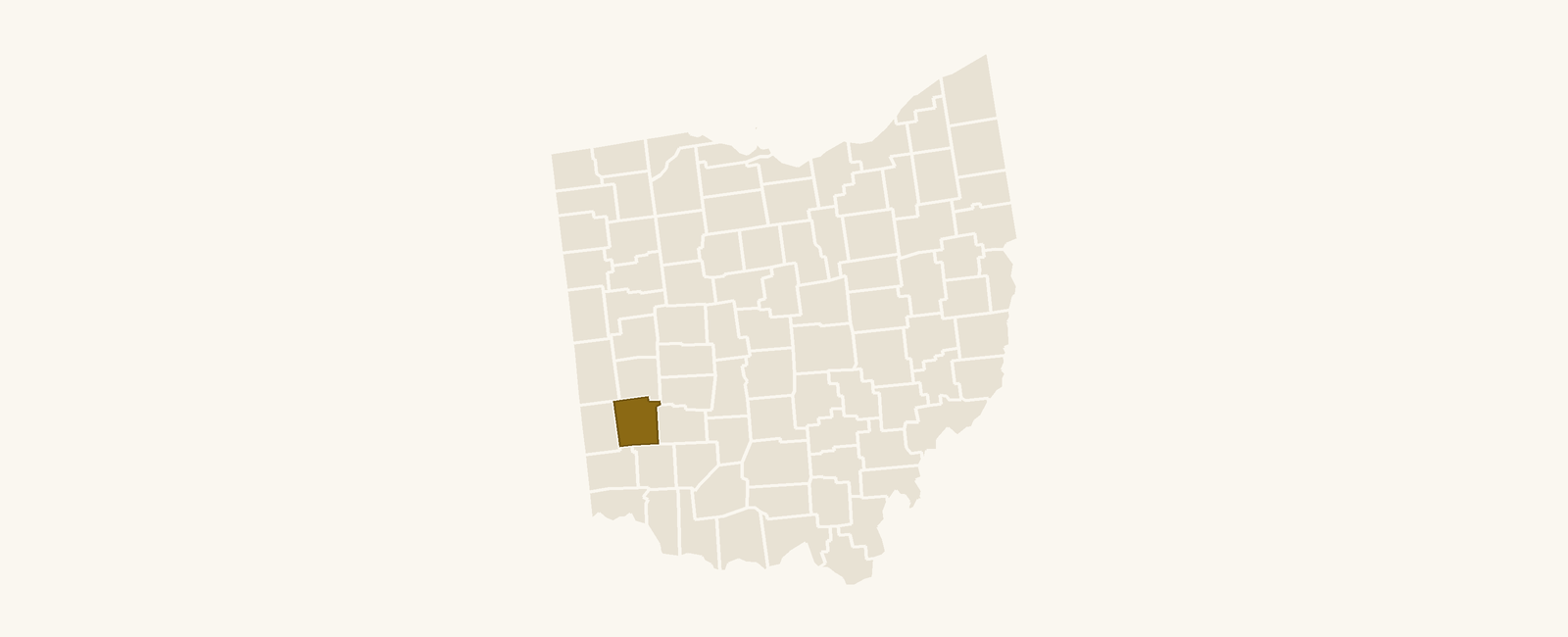
What the housing looks like behind pre-foreclosure in Montgomery County, Ohio
Montgomery County has a population of 535,528 and 252,475 housing units, with Dayton as the county seat. About 62% of homes are owner-occupied, and the median home value is $167K. That is a price point where a missed stretch of payments can leave real equity in a house, but not so much that every owner has a cushion.
Single-family homes dominate. 67% of homes here are single-family detached, against 61% nationally. For a wholesaler or flipper, that means most pre-foreclosure situations you meet involve a standalone house, which is easier to price and resell than a condo or a unit in a small building.
The housing is older than average. 16% of homes were built before 1940, compared with 12% across the U.S. Plan for roofs, old plumbing and wiring, and possibly lead paint in the oldest houses. An owner's sense of the home's value often runs ahead of what the inside actually looks like.
Vacancy is 9%, a little under the 10% national figure, and 38% of owner-occupied homes have no mortgage, close to the 39% U.S. share. In plain terms, this is not a county with unusual vacancy or unusual free-and-clear ownership. It is a steady, mostly owner-occupied market where the details of each house matter more than a county-wide story.
Source: U.S. Census ACS 2023
Which court filings come before a sale here
A foreclosure case is the obvious one, but it is not the only filing that signals a motivated seller. Several kinds of cases can sit upstream of a sale, and each one means something different about the owner's situation.
- Pre-foreclosure: a lender has asked the court to enforce a mortgage. The owner is usually behind on payments and facing a deadline.
- Probate: an owner has died and the estate is being handled in court. The heirs may live elsewhere and may not want the house. With 18% of residents aged 65 or older (17% nationally), estate sales are a steady part of the picture here.
- Divorce: the Domestic Relations Court, a division of the Montgomery County Common Pleas Court, hears divorce, dissolution, legal separation and annulment cases in Dayton. A shared home often has to be sold or bought out.
- Tax sale: unpaid property taxes can lead to a forced sale.
- Partition: co-owners, often heirs, disagree about what to do with a property and ask the court to resolve it.
These filings are public records. If you want them delivered with the owner and property already matched, that is what Keystone's Montgomery County page covers.
How foreclosure works in Ohio and at a Montgomery County sheriff's sale
Ohio handles foreclosure through the courts. The lender files a case, the owner has a chance to respond, and if the court orders the property sold, a sale follows. Timelines vary with the case, so confirm specific deadlines with an attorney rather than relying on a general rule of thumb. Ohio owners can redeem by paying the judgment, interest and costs at any time before the court confirms the sale (R.C. 2329.33). That is one reason owners may still be open to options late in the process.
The Sheriff runs the auction by default. In foreclosure actions demanding judicial sale, the county Sheriff conducts a public auction unless a Private Selling Officer is requested by motion. Sheriff's sale notices are published in the Dayton Daily News, and each notice lists parcels for only one case number.
Buying at the sale has its own rules. Under the court's Local Rule 2.23.1, residential buyers other than the first lien holder must make a deposit immediately after the sale. The deposit is tiered by appraised value. The balance is due to the Sheriff within 30 days of the confirmation and distribution entry. Commercial buyers other than the first lien holder deposit 10% of the purchase price right after the sale.
Title is your problem quickly. Successful bidders have 30 days from the sale to obtain a title examination, and may ask the Court to set aside the sale if title is unmarketable. If you plan to bid, line up a title professional and your funds before sale day.
Read the full rule on the court's page: Local Rule 2.23.1, Sheriff's Sale of Real Estate.

Probate and divorce: the quieter paths to a sale
Not every motivated seller is behind on a mortgage. Some are grieving or going through a separation, and the house is one more decision they did not ask to make.
Estates. In Ohio, estates are handled in the county's probate court. A family that inherits a house may face taxes, upkeep and an out-of-town schedule. In an estate, the executor or administrator usually signs, under a power of sale in the will, the heirs' written consent or a court order; if the court has transferred the house to the heirs by a certificate of transfer, the heirs sign (R.C. 2113.61, 2127.011). An offer should always be made with the estate's attorney involved.
Divorce. The court offers mediation for open divorce, dissolution or legal separation cases, in person or virtually by request. Many couples settle the house through that process, so timing matters. An investor who shows up with a clean, flexible offer can be a relief. One who pushes hard will be remembered.
How to approach owners respectfully and legally
Someone facing foreclosure, a death or a divorce is already under stress. The best approach is honest, low-pressure and clear about who you are and what you can and cannot do.
- Say who you are and why you are reaching out. Do not imply you are from the court, the lender or a government office.
- Offer options, not ultimatums. A fast cash sale is one choice. Staying, selling on the market, or talking to a housing counselor or attorney are others.
- Respect no. If someone declines, note it and stop. Do not keep calling.
- Mind the phone rules. Calls are regulated. Federal rules on telephone solicitations set the National Do Not Call Registry, a calling window of 8 a.m. to 9 p.m. local time and company do-not-call lists (47 C.F.R. 64.1200), and Ohio requires telephone solicitors to register with the Attorney General unless an exemption applies (R.C. 4719.02). Whether a call offering to buy a house is covered depends on the facts, so an Ohio attorney can confirm.
- Do not give legal advice. Suggest the owner speak with an attorney about their case, especially about deadlines.
Buying from an owner in foreclosure can raise legal issues of its own. Have an attorney review your contract language before you use it with a homeowner in default.
What to check before you make an offer
A good conversation does not make a good deal. These are the questions that decide whether the numbers work in Montgomery County.
Condition first. With 16% of homes built before 1940, assume older systems until proven otherwise. Build your repair budget around what you can actually see, and leave margin for surprises.
Liens and title. Because buyers at a sheriff's sale get only 30 days to examine title, you want clarity before you commit. For a negotiated sale, a title company can tell you what must be paid off at closing and whether other claimants are involved.
Who has to sign. In an estate or divorce, the person talking to you may not be the person who can sell. Confirm authority in writing, and involve the attorney or personal representative.
The exit. For buy-and-hold, HUD's Fair Market Rent for the Dayton-Kettering-Beavercreek area is $1,273 a month for a 2-bedroom and $1,651 for a 3-bedroom. Compare those to your all-in cost after repairs on a $167K-median market. For resale, new housing permits were 1,079 in 2025, up 16% from 2024, so new construction is giving buyers more choices. Price your rehab against that competition.
Questions investors ask
Is Ohio a judicial or non-judicial foreclosure state?
Ohio is judicial. A lender must file a case in court, and the property is sold under a court order. In Montgomery County, the Sheriff conducts the sale by default unless a Private Selling Officer is requested by motion.
Can an investor buy a house at a Montgomery County sheriff's sale?
Yes, but the rules are strict. Residential buyers other than the first lien holder must make a deposit right after the sale, with the balance due within 30 days of the confirmation and distribution entry. Have your funds and a title professional ready beforehand.
What happens if the title turns out to be bad after I win a bid?
Successful bidders have 30 days from the sale to get a title examination. If title is unmarketable, you may ask the Court to set aside the sale. Talk to an attorney about how to make that request.
Can I contact an owner who is in foreclosure?
Generally yes, if you are honest about who you are and do not pressure them. Calls are regulated. Federal rules on telephone solicitations set the National Do Not Call Registry, a calling window of 8 a.m. to 9 p.m. local time and company do-not-call lists (47 C.F.R. 64.1200), and Ohio requires telephone solicitors to register with the Attorney General unless an exemption applies (R.C. 4719.02). Whether a call offering to buy a house is covered depends on the facts, so an Ohio attorney can confirm. Stop contact when someone asks you to.
Why do probate and divorce matter for a pre-foreclosure strategy?
They often lead to a house being sold, sometimes before any mortgage trouble starts. Estates and divorcing couples may want a simple, flexible sale. They also need extra patience and respect, and an attorney is often involved.
See Montgomery County leads for 7 days, free
Real court filings with the owner and property matched. No credit card.