Tax sale in Mecklenburg County, North Carolina: what investors should know
A county with a $371K median home value, fewer free-and-clear owners than the U.S. average, and in-person auctions. Here is what that means if you work tax sale situations.
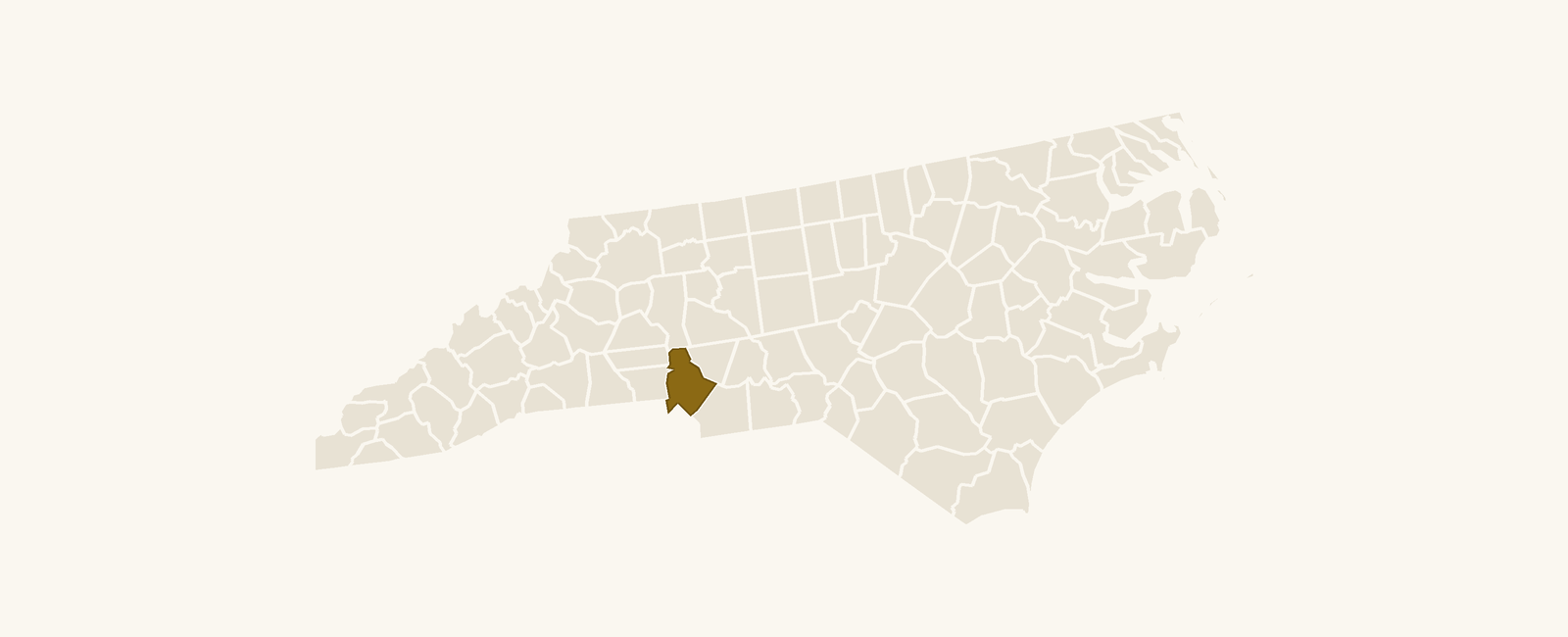
Tax sale Mecklenburg County North Carolina: the housing market behind it
Mecklenburg County has 1,130,906 residents and 491,721 housing units, with Charlotte as the county seat. The median home value is $371K, which means a tax foreclosure here involves a property of real size, not a small parcel with little at stake. That shapes who bids, how much equity is in play, and how carefully you need to read each situation.
Equity is thinner than the national picture. Only 25% of owner-occupied homes are owned free and clear, against 39% for the U.S. Many owners behind on property taxes also carry a mortgage, so a tax sale can involve lender interests as well as the owner. Plan for that before you assume a clean outcome.
The owner base is younger and more renter-heavy. The median age is 35.4 (U.S.: 38.9), and 56% of homes are owner-occupied. Residents aged 65 or older are 12% of the population, against 17% nationally. Estate-driven situations are real here, but this is not a retiree-heavy market, so do not build your whole approach around inherited homes.
Housing stock is newer. Just 2% of homes were built before 1940 (U.S.: 12%), and 56% are single-family detached (U.S.: 61%). Expect fewer century-old money pits and more townhomes, condos and newer subdivisions. That changes both repair budgets and what an exit looks like.
Source: U.S. Census ACS 2023
Which court filings tend to come before a sale here
A tax sale is rarely the first sign of trouble. Several kinds of court filings can point to an owner who may sell, and they overlap more often than you might expect.
- Tax foreclosure: unpaid property taxes can lead the county to pursue a foreclosure and, eventually, a sale.
- Pre-foreclosure: a lender's action against a borrower who has fallen behind on the mortgage. In North Carolina this generally runs through a hearing before the Clerk rather than a full lawsuit.
- Probate: when an owner dies, the estate is handled through the Clerk of Superior Court, and heirs may decide to sell.
- Divorce: a shared home often has to be sold or bought out as part of a settlement.
- Partition: co-owners who cannot agree can ask a court to order a sale.
Each filing means something different about the owner's situation and timeline. A tax-delinquent owner may be dealing with illness, job loss or an unopened pile of mail. A probate heir may live out of state and simply want the house off their plate.
These records are public. If you want them delivered with the owner and property already matched, Keystone Court Data covers Mecklenburg County, and you can try a county free for 7 days with no credit card.
How a tax foreclosure sale works in Mecklenburg County
Mecklenburg County handles in rem tax foreclosures in house through the County Attorney, while outside law firms handle other tax foreclosure listings. The county decides which style to use for a given case. As a bidder, that mostly matters because the paperwork and contacts can differ from one listing to the next.
Sales are scheduled case by case. Notices are published in the Mecklenburg Times for two weeks and posted at the courthouse for at least 20 days. There is no single annual sale date to plan around.
You must show up. Sales are held at the Mecklenburg County Courthouse in Charlotte and conducted by the Sheriff. Bidders must attend in person, and online bidding is not offered.
Payment is strict. Winning bidders pay the full bid by cash or certified/cashier's check. After the Clerk confirms the sale, the buyer receives a Sheriff's Deed.
The bid stays open. After the sale, the final bid remains open for 10 days for upset bids. The minimum upset is 5% of the current high bid or a set minimum amount, whichever is greater. Treat your winning bid as provisional until that window closes and the sale is confirmed.
Rules and procedures can change, and individual cases vary. Confirm deadlines and requirements with an attorney before you bid.

The property tax calendar and why owners fall behind
The county property tax rate is 49.27 cents per $100 of assessed value, plus municipal taxes. Real estate taxes are due Sept. 1, with interest beginning in January: 2% initially, then 0.75% per additional month. Interest builds quietly, which is how a manageable bill becomes a serious one.
The county's last general revaluation was in 2023. For an owner whose assessed value jumped, the bill may have grown faster than their income. Value appeals go to the Board of Equalization and Review, with further appeal to the N.C. Property Tax Commission, but deadlines are strict and owners often miss them.
Knowing this helps you speak sensibly with an owner. Many are not careless. They are overwhelmed, and a calm, factual conversation is more useful to them than pressure.
How to approach owners respectfully and legally
People facing a tax foreclosure, a death in the family or a divorce are often stressed, embarrassed or grieving. Lead with honesty about who you are and what you can offer. Never imply you are connected to the court or the county.
Be low-pressure. Give the owner time, put offers in writing and encourage them to talk to an attorney or a trusted advisor. If an owner says no, accept it and stop contacting them.
Follow the phone rules. If you call, respect the National Do Not Call Registry, your own internal do-not-call list and North Carolina's telemarketing rules, including any limits on calling times and required disclosures. Mail and in-person visits have their own rules too, so confirm what applies with an attorney.
Handle estates with care. In a probate situation, the person with authority to sell may be a court-appointed personal representative, not whoever answers the phone. Do not press a grieving family member to sign anything.
What to look at before you make an offer or bid
A tax sale price is only part of what a property costs you. Before you bid or make a private offer, think through these points.
- Liens and mortgages: with only 25% of owners free and clear, assume there may be other claims on the property. Have a title professional or attorney explain what survives a sale.
- Occupancy: an occupied home can mean a longer, costlier path to possession. With 56% of homes owner-occupied, many Mecklenburg properties will have people living in them.
- Condition: with only 2% of homes built before 1940, you are more likely to face newer-construction issues than old-house surprises, but you still need a real inspection plan.
- Exit and hold math: HUD Fair Market Rent for the Charlotte-Concord-Gastonia area is $1,686 for a 2-bedroom and $2,076 for a 3-bedroom per month. Test whether a rental hold works against your purchase cost and the property tax rate.
- Demand: vacancy is 7% (U.S.: 10%), which suggests tighter supply, while new units permitted in 2025 were 7,496, down 37% from 2024. Fewer new homes could support resale and rental demand, but weigh that alongside your own numbers.
The area's role as the second-largest banking center in the U.S., per the county's economic development office, supports a steady job base, but it does not make any individual property a good deal.
Questions investors ask
Can I bid on a Mecklenburg County tax foreclosure online?
No. Bidders must attend tax foreclosure auctions in person, and online bidding is not offered. The sales are held at the Mecklenburg County Courthouse in Charlotte and conducted by the Sheriff.
How do I pay if I win a tax sale bid?
You must pay the full bid by cash or certified/cashier's check. After the Clerk confirms the sale, you receive a Sheriff's Deed. Confirm payment details and timing with an attorney before you bid.
Is the sale final right after the auction?
Not yet. The final bid stays open for 10 days for upset bids. The minimum upset is 5% of the current high bid or a set minimum amount, whichever is greater.
When are Mecklenburg County property taxes due?
Real estate taxes are due Sept. 1. Interest begins in January at 2%, then 0.75% per additional month. Unpaid balances can eventually lead to a tax foreclosure.
Can I call owners whose homes are in tax foreclosure?
You can, but follow the National Do Not Call Registry, your own do-not-call list and North Carolina telemarketing rules. Be honest about who you are, keep the tone low-pressure, and stop if the owner asks you to. Ask an attorney how the rules apply to your outreach.
See Mecklenburg County leads for 7 days, free
Real court filings with the owner and property matched. No credit card.