Investing in Wake County, North Carolina: where motivated sellers show up in the court record
Wake County is young, fast-building and equity-rich on paper, but fewer owners hold their homes free and clear than elsewhere. Here is what that means for the filings that signal a motivated seller.
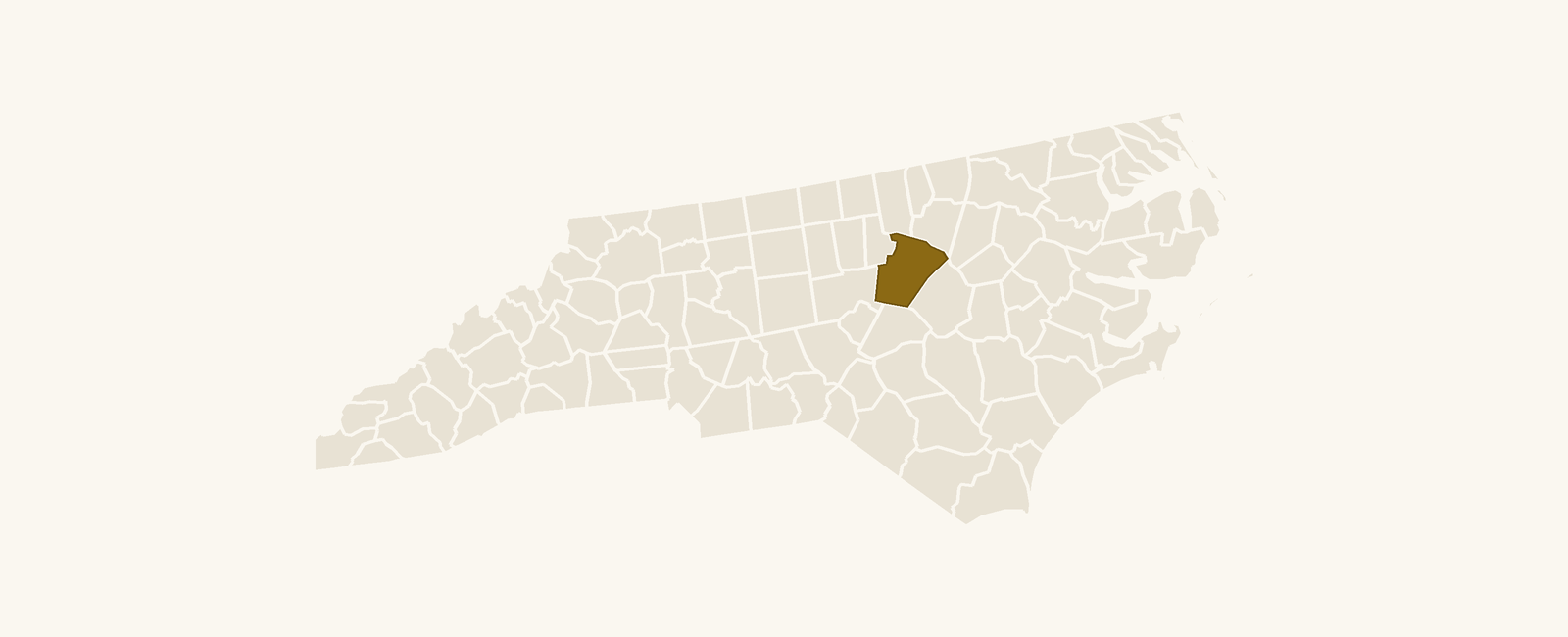
Wake County North Carolina real estate investing: what the housing looks like
Wake County has 481,999 housing units and a population of 1,151,009, with Raleigh as the county seat. The median home value is $423K, which sets the stakes for every deal here.
Ownership is strong, but not debt-free. About 64% of homes are owner-occupied, yet only 26% of owner-occupied homes have no mortgage, against 39% nationally. In practice, many owners you meet in a hard situation still owe real money on the house. Equity exists, but you cannot assume it.
The stock is young. Only 2% of homes were built before 1940, compared with 12% across the U.S. About 58% are single-family detached (U.S.: 61%), so there is a meaningful share of townhomes, condos and apartments too. Vacancy is 8% against 10% nationally, which points to a tighter market than average.
Rents support buy-and-hold math. HUD Fair Market Rent for the Raleigh-Cary area is $1,750 a month for a 2-bedroom and $2,196 for a 3-bedroom. Set those against a $423K median value before you assume a rental exit works.
Supply is easing slightly. New housing units permitted in 2025 came to 13,806, a change of -10% from 2024. That is one data point, not a forecast, so do not build a whole thesis on it.
Source: U.S. Census ACS 2023
Which court filings come before a sale in Wake County
A court filing is often the first public sign that a household may need to sell. Each one points to a different kind of seller.
- Pre-foreclosure: the lender has started the legal process after missed payments. The owner may want a sale that avoids a forced one, but they still owe the loan.
- Probate: after an owner dies, an estate is opened with the court. Heirs often live elsewhere and do not want to manage a house. Only 12% of Wake residents are 65 or older (U.S.: 17%), so estate sales here are likely a smaller share of the picture than in older counties.
- Divorce: a couple may need to sell and split the proceeds. Timing pressure is real, and so is emotion.
- Tax sale: unpaid property taxes can lead to a lien and eventually a forced sale.
- Partition: co-owners, often heirs, cannot agree and one asks the court to force a sale.
Equity is the question behind all of them. With 26% of owner-occupied homes free and clear, a filing does not mean a big discount is available. It means a conversation may be worth having.
These records are public. If you want them delivered with the owner and property already matched, Keystone's Wake County page shows what that looks like.

How the process works in North Carolina, in plain terms
Foreclosure usually runs outside a full lawsuit. North Carolina is generally a power-of-sale state. Instead of a judge deciding a lawsuit, the clerk of superior court holds a hearing, and if the lender proves its right to foreclose, a sale can be set. After the sale, there is an upset bid period, currently 10 days, in which someone can bid higher and reopen the sale. Details and deadlines can change, so confirm them with the clerk or an attorney.
Probate sits with the clerk too. The clerk of superior court oversees estates. A personal representative, often called an executor when there is a will, is appointed by the court and receives letters that prove their authority. Whether and when that person can sell a house depends on the will, the estate's needs and the type of authority granted, so an attorney should confirm each case.
Divorce, tax and partition each have their own path. Divorce property division is handled in family court, and North Carolina requires a period of separation before an absolute divorce. Property tax liens and partition actions follow their own rules. Do not guess; the court or counsel can tell you where a given matter stands.
For Wake County matters, the court sits in Raleigh. You can read more at the North Carolina Judicial Branch.
How to approach owners respectfully and legally
Lead with the person, not the property. Someone facing foreclosure, a death in the family or a divorce is under strain. Introduce yourself plainly, say why you are reaching out, and make it easy to say no.
Do not pressure or mislead. Never imply you are from the court, the lender or a government office. Never suggest a deadline that is not real. Put your offer in writing, in clear language, and encourage people to talk to an attorney, a housing counselor or family before they sign.
Phone calls come with rules. Check numbers against the National Do Not Call Registry and honor any opt-out. North Carolina has its own telemarketing rules on top of federal ones, and they can apply to calls and texts. Learn them or ask a lawyer before you dial. A handwritten letter is often the gentler first touch anyway.
Respect timing. For an estate, give a family room to grieve. If someone says they are not ready, thank them and leave the door open without chasing.
What to look for before making an offer in Wake County
Payoffs first. With so many owners still carrying a mortgage, confirm what is owed, including any liens, before you talk price. A seller who needs more than the house is worth to clear debts is a different deal than one with room to move.
Title and authority. In a probate sale, make sure the person signing has legal authority. In a divorce or partition, make sure every owner agrees or the court has ordered the sale. A title company or attorney should review all of it.
Repairs, scaled to a newer stock. Because few homes here predate 1940, expect issues like roofs, HVAC, water intrusion, or outdated finishes more than knob-and-tube wiring. Still, get a real inspection and contractor bids rather than guessing.
Exit math. If you plan to rent, test your numbers against $1,750 for a 2-bedroom and $2,196 for a 3-bedroom, the HUD Fair Market Rents for the Raleigh-Cary area, and against a $423K median home value. If you plan to resell, remember that 13,806 units permitted in 2025 means new construction is still a competing option for buyers.
For wider context, see our North Carolina overview and how Keystone works.
Questions investors ask
Is foreclosure judicial in North Carolina?
Mostly no. North Carolina generally uses power of sale, with a hearing before the clerk of superior court rather than a full lawsuit. Rules and timelines can change, so confirm with the clerk or an attorney.
Who handles probate in Wake County?
The clerk of superior court oversees estates, and the court sits in Raleigh. The clerk appoints the personal representative who manages the estate. Whether that person can sell a home depends on the will and the authority granted.
Can an executor sell a house in North Carolina?
Often yes, but it depends on the will, the court's appointment and whether heirs or creditors have claims. Anyone buying should confirm the signer's authority with a title company or attorney.
Do old homes matter much for repair budgets in Wake County?
Less than in many places. Only 2% of homes were built before 1940, versus 12% nationally. You should still inspect every property, since newer homes can have deferred maintenance.
Can I call homeowners who show up in court filings?
You can, but you must follow the National Do Not Call Registry and North Carolina telemarketing rules. Many investors start with a respectful letter instead. Ask an attorney if you are unsure what applies to you.
See Wake County leads for 7 days, free
Real court filings with the owner and property matched. No credit card.