Probate in Wayne County, Michigan: what investors should know
Wayne County has its own Probate Court, a lot of free-and-clear homes and an older housing stock. Here is what that means when an estate property comes up.
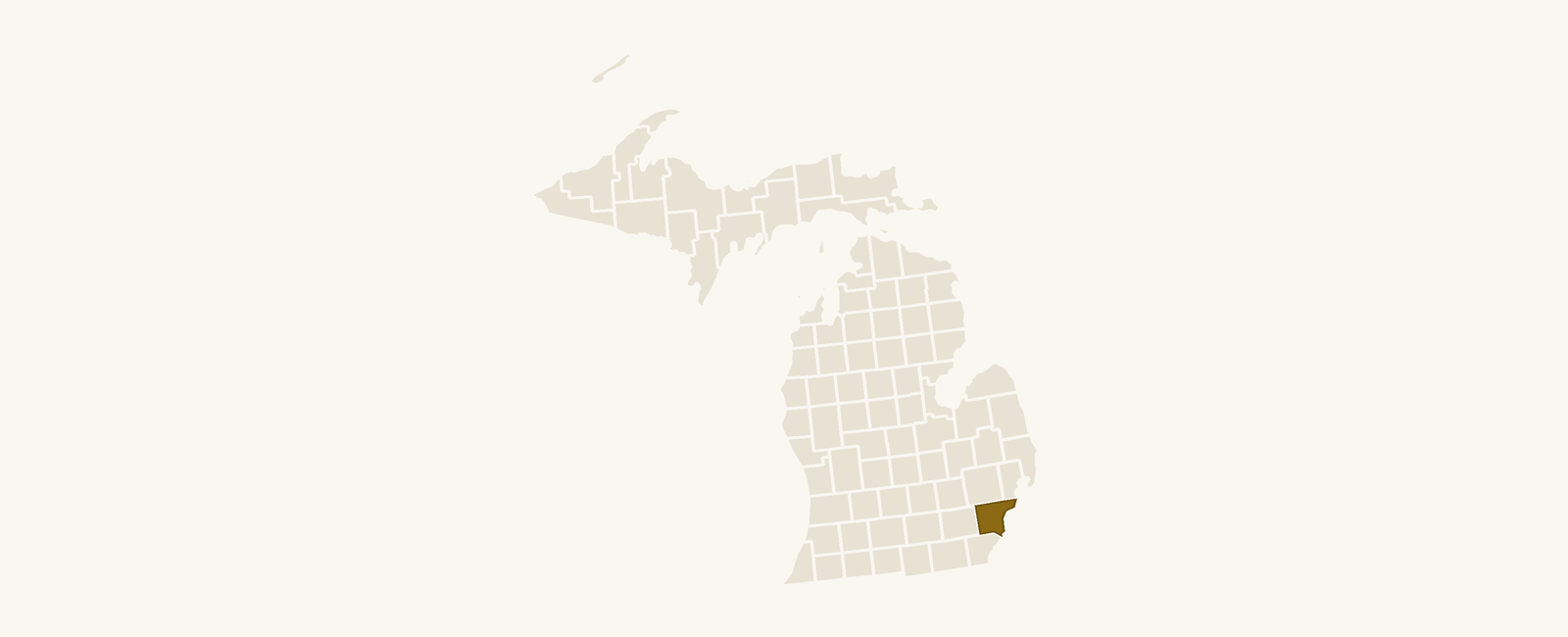
What Wayne County housing looks like for estate buyers
In Wayne County, 48% of owner-occupied homes have no mortgage, compared with 39% across the U.S. That one number shapes how you should think about probate Wayne County Michigan deals: when an owner passes away, there is often no lender in the way and more room between the home's value and what is owed.
The equity is real, but so is the age of the homes. About 21% of homes here were built before 1940, against 12% nationally. Median home value is $170K, so a roof, a panel, plumbing or foundation problem takes a bigger bite out of your margin than it would in a pricier market.
The mix of homes helps on the exit side. About 70% of homes are single-family detached (U.S.: 61%), and 64% are owner-occupied. That points to a deep pool of owner-occupant buyers and small landlords for a finished house. Vacancy is 13% against 10% nationally, so be careful in blocks where empty homes are common, and price your resale conservatively there.
One more reality check: residents aged 65 or older are 16% of the county, close to the U.S. figure of 17%. Do not assume Wayne County is unusually old. The estate opportunity here comes more from the free-and-clear ownership and the size of the county, which has about 1,773,767 residents and 796,119 housing units (Census ACS).
Source: U.S. Census ACS 2023
Which court filings tend to come before a sale here
Different filings point to different seller situations. Knowing what each one means helps you talk to the owner or family in a way that fits where they are.
- Probate: an estate has been opened after a death. The house may need to be sold to pay debts, split among heirs or simply be dealt with by relatives who live elsewhere.
- Pre-foreclosure: a lender has started the process because payments stopped. In Wayne County, mortgage foreclosure sales are auctions run by the Wayne County Sheriff, and the mortgagor may redeem by paying the purchaser of the Sheriff's Deed.
- Divorce: the Domestic Relations Section of the Family Division of the Wayne County Circuit Court hears these cases. A home often has to be sold or bought out as part of the settlement.
- Tax foreclosure: a separate track run by the county, where long-unpaid property taxes end in a public auction.
This county lists pre-foreclosure and probate among the lead types Keystone covers, and probate is the one where free-and-clear ownership matters most. A family inheriting a home with no mortgage is under a very different kind of pressure than a borrower facing a lender.
Probate in Wayne County: how the process works
Wayne County has a separate Wayne County Probate Court, led by its own Chief Judge. It jointly adopts the family court plan with the Third Circuit Court, which is why you will see the two named together in court documents about family matters (Michigan courts, family court plan).
Someone has to be given authority. In general, an estate is opened, and a personal representative is appointed by the court and receives written proof of that authority. That person is usually the one who can sign a sale on the estate's behalf, subject to the will and any court restrictions.
Not every home goes through this. Some pass outside probate through a trust, joint ownership or a beneficiary deed, and some estates are handled with little court involvement. Others are contested or slow when heirs disagree. Timelines and requirements vary, so have an attorney confirm the rules for the specific estate before you sign anything.
The practical point: your contract should be with the person who actually holds authority, and you should be prepared for the closing to depend on the court process and on the title company's requirements.

How to approach families respectfully and legally
The people behind a probate filing are usually grieving, and many are managing a house in a city where they no longer live. Lead with patience, not a deadline.
Keep first contact short and honest. Say who you are, that you buy houses, and that you are sorry for their loss. Offer to answer questions and make clear there is no obligation. Never imply the court or a lender sent you, and never pressure someone to decide quickly.
Respect phone rules. If you call, check the National Do Not Call Registry and Michigan's telemarketing rules first, honor any request to stop and keep your own do-not-contact list. Many investors do better with a personal letter that a family can read on its own time.
Be ready for more than one decision maker. Siblings and other heirs may disagree, and the personal representative may need others' input. Be clear about what you can offer, put terms in writing and encourage the family to talk to their own attorney. That builds the trust that turns a cold contact into a sale.
What to look for before you make an offer
An estate house is a title and condition question as much as a price question. Work through these before you commit.
- Authority to sell: confirm in writing who can sign and whether the court needs to approve anything.
- Heirs and occupants: find out if someone still lives in the home and whether all heirs agree to the sale.
- Liens and unpaid taxes: estate homes can carry old debts or unpaid taxes. Have a title company and attorney confirm what must be paid at closing.
- Condition: with 21% of homes built before 1940, budget for roofs, electrical, plumbing and foundations, and expect deferred maintenance after a long illness.
- Vacancy: an empty house can deteriorate fast, and 13% of housing units here are vacant. Factor in securing and insuring it.
If you need the filings themselves, they are public. Keystone Court Data delivers Wayne County leads with the owner and property already matched, so your time goes to conversations, not paperwork.
Buy-and-hold and resale numbers to keep in mind
If you plan to keep an inherited house as a rental, HUD's Fair Market Rent for the Detroit-Warren-Dearborn area is $1,459 a month for a 2-bedroom and $1,777 for a 3-bedroom. Those are benchmarks, not guarantees for any one street, so test them against your repair budget and the median home value of $170K.
New construction is picking up. About 3,922 new housing units were permitted in 2025, up 49% from 2024. More new supply can compete with your finished product in some areas, so check how your target house stacks up against it.
The local economy gives buyers and renters a base. It is anchored by the auto industry, with Ford in Dearborn and Livonia, and the University of Michigan-Dearborn and Oakwood Healthcare Systems among Dearborn's employers. Detroit, the county seat, is the most populous city in Michigan. Match your strategy to the specific community, since demand in each differs.
Questions investors ask
Who handles probate in Wayne County, Michigan?
The Wayne County Probate Court, which has its own Chief Judge and is separate from the Third Circuit Court. Divorce cases go to the Domestic Relations Section of the Circuit Court's Family Division instead.
Can an executor sell a house in Wayne County?
Generally, a court-appointed personal representative can sell estate property, unless the will or the court limits that power. Rules and approvals vary by estate, so confirm with the estate's attorney or the court before relying on a signature.
Are estate homes in Wayne County likely to have a mortgage?
Often not. 48% of owner-occupied homes here are owned free and clear, compared with 39% nationally. That is a county-wide figure, so any single estate may still have a loan or other liens.
Can I call the family of someone who has died?
You can, but treat it carefully. Follow the Do Not Call Registry and Michigan's telemarketing rules, stop when asked, and consider a respectful letter first. Never pressure anyone grieving to decide quickly.
Should I budget for repairs on Wayne County estate homes?
Yes. 21% of homes were built before 1940, against 12% nationally, and homes of long-time owners often have deferred maintenance. Get a thorough inspection and price in the unknowns before you make an offer.
See Wayne County leads for 7 days, free
Real court filings with the owner and property matched. No credit card.