Tax sale in Salt Lake County, Utah: what investors should know
A county auction, a four-year delinquency window and a market with less free-and-clear equity than the national average. Here is what that means for your offers.
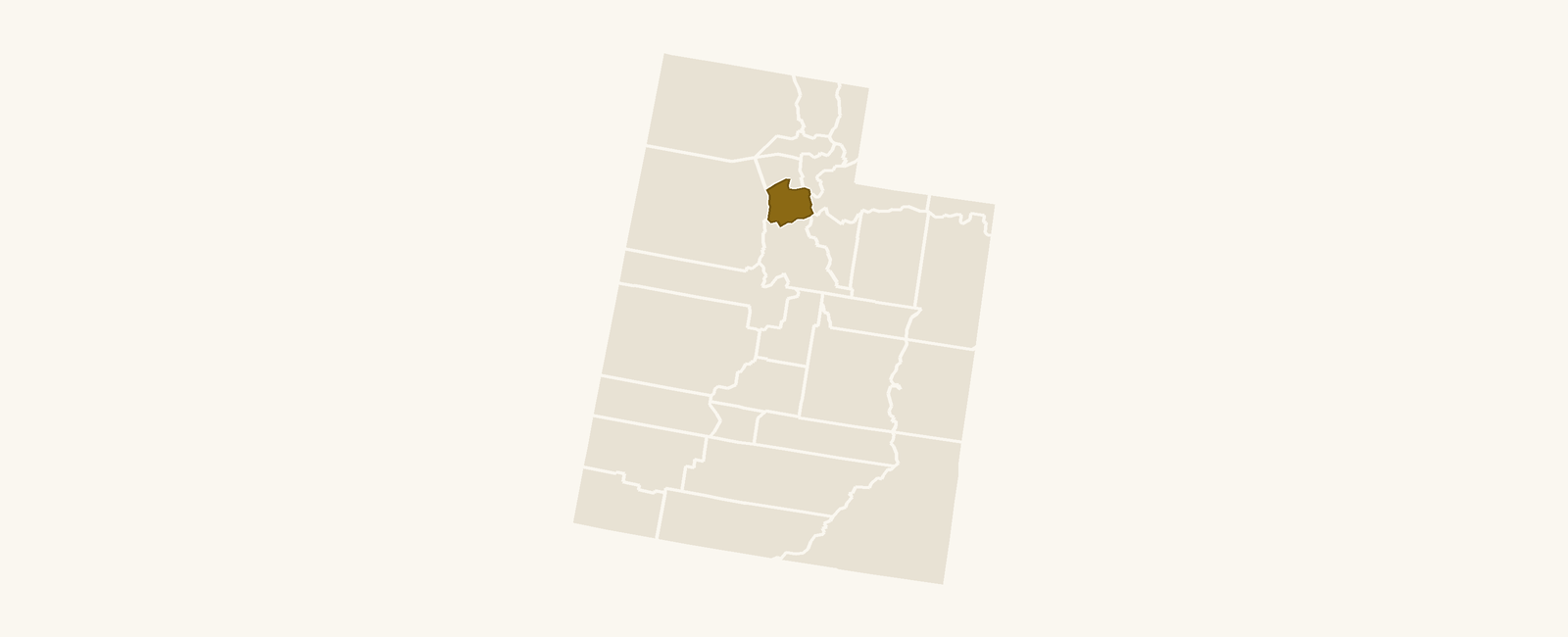
How the tax sale Salt Lake County Utah runs each year
The 2026 Salt Lake County tax sale was an online auction held through Public Surplus, beginning May 27. The 2027 sale is scheduled for May 26th and 27th, and the county says details for it will be posted in April 2027. If you are planning a year around it, that late-May date is the anchor.
What gets auctioned. The county sells real property whose taxes have been delinquent for four years. That is a long stretch. By the time a parcel reaches the sale, the owner has usually passed several chances to pay, and something else is often going on in their life.
Before you bid. Bidders must wire a refundable deposit to PayMac before the sale. Treat that as a lead-time item: wires and account setup do not happen in the last hour. Read the county's published rules for the sale you plan to attend, since procedures can change from year to year.
After the gavel. The County Auditor records and mails the tax deed to the winning bidder after the County Council ratifies the sale, within 60 days of the sale. Plan your cash and your timeline around that ratification step, not around the end of bidding.
Source: U.S. Census ACS 2023
What Salt Lake County's housing numbers mean for tax sale buyers
Salt Lake County has 440,166 housing units and a population of 1,184,689. About 67% of homes are owner-occupied, and the median home value is $484K. That price level shapes everything: even a modest delinquent house is a meaningful asset here.
Equity is solid, but not unlimited. Only 29% of owner-occupied homes are owned free and clear, against 39% nationally. More owners here carry a mortgage, so a delinquent tax bill may sit next to a lender with a claim of its own. Do not assume a property is clean because taxes are the visible problem. An attorney or title professional can confirm what a tax deed does and does not clear.
Vacancy is low. Just 5% of housing units are vacant, against 10% for the U.S. Abandoned-house tax sales are less common than in softer markets, so many delinquent owners are still living in the home or are heirs to it.
Stock is newer. Only 7% of homes were built before 1940 (U.S.: 12%), and 61% are single-family detached, matching the U.S. figure. Repair budgets still matter, but you will meet fewer century-old structures than in older Eastern cities.
Which court filings tend to come before a sale here, and why
A four-year tax delinquency rarely stands alone. It tends to travel with other life events, and each one shows up as a different kind of public court filing.
- Probate. An owner dies, heirs do not know who pays the bills, and the tax notices go unopened. Only 12% of residents are 65 or older (U.S.: 17%), so estates are a smaller share of the picture than in older counties, but they still matter.
- Divorce. The median age here is 33.8 (U.S.: 38.9), a young county. Divorce filings can force a sale or a buyout, and a stalled one can leave taxes unpaid. In the Third District Court, which includes Salt Lake County, parent-time disputes can be referred to a Co-Parenting Mediation Program with a session scheduled within 15 calendar days, a reminder that these are families, not just files.
- Pre-foreclosure. An owner who falls behind on a mortgage often falls behind on taxes too. A default filing tells you the owner is under pressure and may welcome a calm conversation about options.
- Partition. Co-owners who cannot agree, often heirs, may ask a court to divide or sell property. Unpaid taxes can pile up while they argue.
These records are public. Keystone delivers them matched to the owner and property so you can spend your time on the conversation instead of the paperwork.

How the process works in Utah, in plain terms
Tax sales are administrative, not a lawsuit. The county, not a judge, runs the tax sale, and the Auditor issues the deed after the County Council ratifies it. Property taxes are due without penalty by November 30 each year, and the delinquency clock that leads to a sale starts well before the auction.
Redemption is time-sensitive. Under Utah Code 59-2-1346, a property can be redeemed by paying what is owed any time before the tax sale, and the county's own rules say the same. That redemption right runs until the sale, so the timing matters. An attorney can confirm an owner's options for a specific parcel.
Mortgage foreclosure is a different track. A Utah trust deed can be foreclosed by a trustee's sale without a court case (Utah Code 57-1-23), and sheriff sales of real property tied to court judgments are a separate path again. An attorney can confirm which applies to a given property.
Probate runs through the district court. A personal representative must be appointed before an estate can sell real estate in most cases, and once appointed can sell without a court order unless the will or a court order restricts that power (Utah Code 75-3-714). If someone says they are selling a late parent's house, ask politely whether the court has appointed anyone and who has authority to sign.
Assessment. Residential property is assessed at 55% of market value and other property at 100%. The Assessor appraises every property annually. A value appeal deadline of September 15, 2026 has passed, though late appeals are accepted until March 31, 2027 under the late appeal guidelines. Owners who missed these dates may be carrying a bill they think is too high.
How to approach owners respectfully and legally
Most people on the other end of these filings are grieving, stressed or embarrassed. Your first contact should make their day slightly easier, not harder.
Lead with help, not a deadline. Introduce yourself plainly, say why you are writing, and offer to answer questions. Never imply a sale is inevitable or hint that you know more about their legal situation than you do.
Mind the phone rules. Utah law bars unsolicited telephone solicitations to Utah numbers on the National Do Not Call Registry and, without prior express consent, calls between 9 p.m. and 8 a.m., on Sundays and on legal holidays. A caller must identify the business and end the call when the person responds negatively (Utah Code 13-25a-103, 13-25a-108). Federal rules apply as well. When someone says stop, stop and note it. Letters and in-person notes left respectfully are often better received than cold calls to a family in mourning.
Be honest about who you are. Say you are an investor, not an agent or a government official. Do not give legal advice, and encourage owners to talk to an attorney or a trusted advisor before signing anything.
Heirs deserve patience. Probate takes time. Several relatives may need to agree, and some will live out of state. Let them set the pace.
What to look for before making an offer
Know what is attached to the title. A mortgage, a judgment or an estate dispute can all sit alongside a tax bill. With 29% of owner-occupied homes owned free and clear, expect many properties to have a lender in the picture. Get a title review before you commit money.
Price it against Salt Lake County reality. With a median home value of $484K, even small gaps in your repair estimate or resale assumption cost real money. Pair that with the rent picture if you plan to hold: HUD Fair Market Rent for the Salt Lake City-Murray area is $1,615 for a 2-bedroom and $2,143 for a 3-bedroom.
Read the demand signals. About 7,179 new housing units were permitted in 2025, up 58% from 2024. More new supply can influence resale and rental pricing in some areas, so treat it as a reason to run conservative numbers, not a reason to panic.
Inspect what you can. At an auction you may have limited access. Price in unknowns, and be ready for occupants. If someone lives there, treat them with the same respect you would give a seller, and an attorney can explain the occupancy rules.
If you want the underlying filings delivered matched and ready, see Salt Lake County leads, tax sale leads or Utah.
Questions investors ask
How long are taxes delinquent before the Salt Lake County tax sale?
The county auctions real property whose taxes have been delinquent for four years. Current-year taxes are due without penalty by November 30. An attorney can confirm how the clock applies to a specific parcel.
Do I need to pay a deposit to bid?
Yes. Bidders must wire a refundable deposit to PayMac before the sale. Do it early so a wire delay does not cost you a bid.
When do I get the deed after winning?
The County Auditor records and mails the tax deed to the winning bidder after the County Council ratifies the sale, within 60 days of the sale. Do not plan to close on a resale before then.
When is the next tax sale?
The 2027 sale is scheduled for May 26th and 27th. The 2026 sale ran online through Public Surplus, beginning May 27, and the county says details for 2027 will be posted in April 2027.
Can I contact owners of tax-delinquent homes?
Yes, if you do it honestly and politely. Utah law bars unsolicited calls to Utah numbers on the National Do Not Call Registry and limits calling hours (Utah Code 13-25a-103, 13-25a-108). Say clearly who you are, and encourage owners to get legal advice. Many are dealing with a death, divorce or debt, so patience matters.
See Salt Lake County leads for 7 days, free
Real court filings with the owner and property matched. No credit card.