Investing in Yellowstone County, Montana: where motivated sellers show up in the court record
Billings anchors a market with a lot of paid-off homes, an older owner base and two court-driven paths to a sale. Here is what each one means for you.
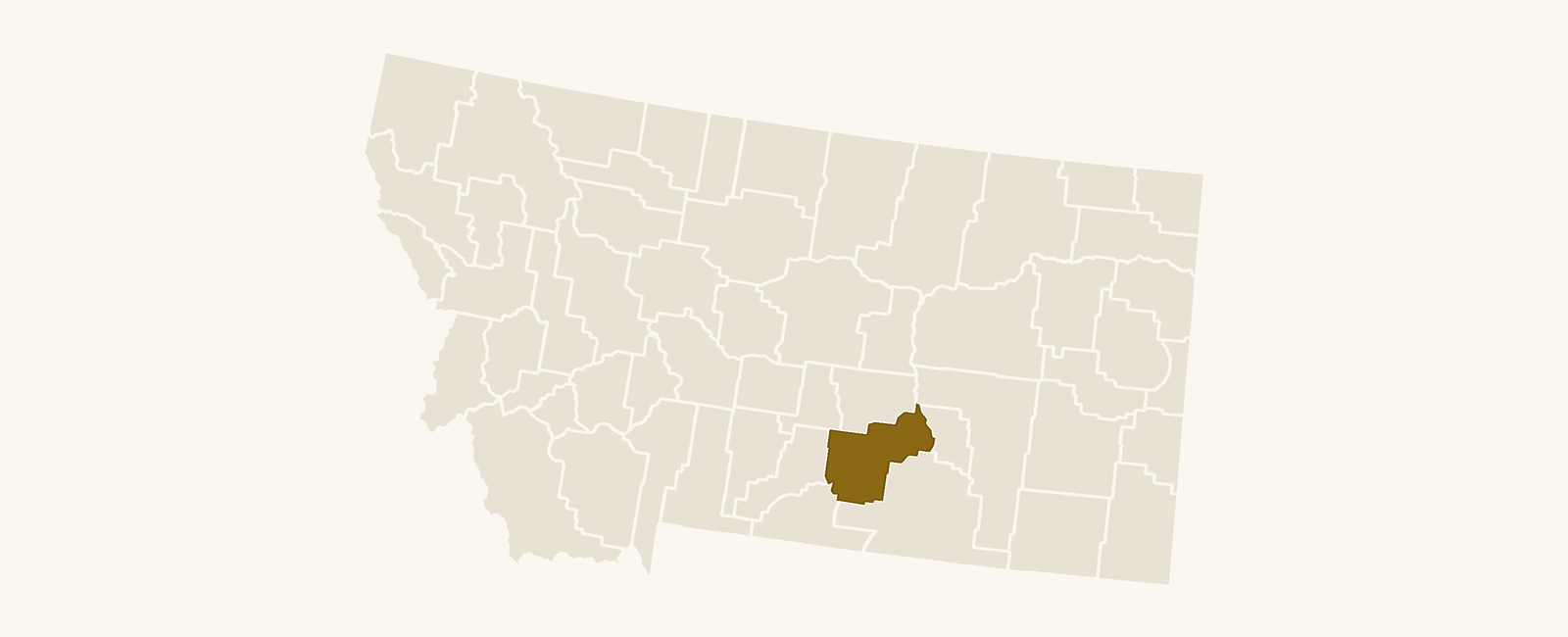
What the housing looks like for Yellowstone County real estate investing
Yellowstone County is Montana's most populous county, with about 167,340 residents and 73,363 housing units. Billings, the county seat, is the state's largest city and a major retail, wholesale trade, financial, energy, transportation and medical center. That mix of employers keeps a steady base of homeowners in place.
Equity is the headline. About 69% of homes are owner-occupied, and 41% of those owners have no mortgage, slightly above the U.S. figure of 39%. With a median home value of $318K, a typical paid-off owner holds a meaningful stake. When one of those owners faces a death, a divorce or a tax problem, there is usually room for a fair offer and still a good outcome for the seller.
The stock is mostly single-family. About 66% of homes are single-family detached (U.S.: 61%), and only 8% were built before 1940 (U.S.: 12%). That means fewer century-old money pits than in many Midwest and Eastern markets, though you should still budget for age-related repairs on any given house.
Demand looks tight. Housing units that sit vacant are 6% here, against 10% nationally. New construction slowed too: 997 units were permitted in 2025, a 32% drop from 2024. Less new supply and low vacancy are both good signs for rental and resale demand.
Source: U.S. Census ACS 2023
Rents and what they mean for buy-and-hold
HUD's Fair Market Rent for the Billings area is $1,432 a month for a two-bedroom and $1,983 for a three-bedroom. These are benchmarks, not guarantees of what a specific house will rent for, but they give you a floor for running numbers.
Pair those rents with the county's housing profile and a pattern emerges. Mostly single-family stock suits three-bedroom rentals, and low vacancy lowers the risk of long empty stretches. If a distressed purchase lets you buy below the $318K median and bring the house up to rentable condition, the math can work. Run it on your own repair estimates, taxes and insurance rather than on county averages.
Which court filings tend to come before a sale here
Two filing types matter most in this county, and they lead to very different conversations.
- Pre-foreclosure: A lender has started the process after missed payments. The owner is behind but still holds title and may want to sell before a sale date is set.
- Tax sale: Property taxes went unpaid long enough that the county moved toward auctioning the parcel. The owner may be unaware of how far along things are.
Probate, divorce and partition also produce motivated sellers in many counties. With 18% of residents aged 65 or older (U.S.: 17%) and so many homes owned free and clear, estates in this area can involve real equity and several heirs who live elsewhere. Those are different situations from distress over debt, and they call for a gentler approach. Keystone's Yellowstone County leads currently cover pre-foreclosure and tax sale, so this guide concentrates there.

How sheriff's sales and tax deed auctions work in Yellowstone County
Sheriff's sales. Sheriff's sales of real property are held in the Yellowstone County Courthouse Lobby in Billings, at the time stated on the posted notice. Property goes to the highest bidder and the sale is final, although some real property may be sold subject to a right of redemption described in the court's judgment or order. Read that order closely, because a redemption right can change what you actually own and when.
Bidders register at the sale just before it starts. Payment must be cash, a cashier's check or a money order payable to the Sheriff's Office, so a personal check or financing will not work. The creditor can credit bid only up to the amount owed, and any excess has to be paid in cash, cashier's check or money order. That means you may be bidding against a lender that has no need to bring cash for its own claim.
Tax deed auctions. The County Treasurer holds a public tax deed auction, and the 2026 auction was set for October 19 at 10:00 AM in the John V. Ostlund Building. Parcels with an owner-occupied residential dwelling are auctioned in the final redemption year, while other parcels go to tax deed. Winning bidders who are not the lienholder must post a deposit of 5% of the bid or a stated minimum, whichever is greater, and pay the balance in full on a short deadline.
Property taxes are due in two halves, November 30 and May 31, by 5 PM Mountain Time; for 2026 the county lists the first half as due December 3. An owner whose taxes become a tax lien can generally redeem until the first working day in August, 3 years after the lien attached (MCA 15-18-111). A missed half is how many owners start down this path, often because of a job loss, a death in the family or simple confusion about the calendar.
Montana foreclosure can follow different procedures depending on the loan documents. Under the Small Tract Financing Act, which covers trust indentures on tracts of 40 acres or less, a trustee's sale can be held only after a copy of the recorded notice of sale has been mailed at least 120 days ahead, and notice must be posted on the property at least 20 days before the sale (MCA 71-1-315). The trustee's deed conveys title without a right of redemption (MCA 71-1-318). Probate runs through the district court. The 13th Judicial District Court, an eight-judge district, covers Yellowstone County. Those periods are set by statute; the actual dates for a given property come from its notices and court orders, and a Montana attorney can confirm them.
How to approach owners respectfully and legally
Most people on the other end of these filings are having one of the worst stretches of their year. Lead with honesty: who you are, that you buy houses, and that they have no obligation. Never imply you are from the court, the lender or the county.
Phone calls come with rules. If you call, scrub numbers against the National Do Not Call Registry and follow Montana's telemarketing rules and the federal Telemarketing Sales Rule, including calling-hour limits and honoring any request to stop. A handwritten letter or a short, plain note is often better received than a cold call, and it gives the owner time to think.
Do not pressure. Someone facing a sale date needs clear information, not a deadline you invented. Tell them they can talk to an attorney, a housing counselor or their lender. Owners who feel respected tend to call back, and they tell neighbors and relatives who may become your next conversation.
If you want the filings already matched to the owner and property, Keystone offers a Yellowstone County lead feed with a free 7-day trial and no credit card. You can also read how it works.
What to look for before making an offer
Know the exact stage. A pre-foreclosure owner who just received a notice has options a week before a sheriff's sale does not. Tax cases differ again depending on whether the home is owner-occupied, since those are auctioned in the final redemption year.
Check for other claims. Second mortgages, judgments, unpaid taxes and a right of redemption can all sit behind a deal that looks clean. Have a title company or attorney confirm what you would actually receive before you close or bid.
Price the repairs honestly. With only 8% of homes built before 1940, many houses here are newer, but age still matters for roofs, furnaces and plumbing. Do an in-person walk-through whenever the owner allows it.
Plan your funds for auctions. Sheriff's sales require cash, a cashier's check or a money order, and tax deed auctions require a deposit and a quick full payment. If your money is not lined up in advance, you will lose the bid or forfeit the deposit.
Questions investors ask
Does Yellowstone County have a lot of owner-free-and-clear homes?
About 41% of owner-occupied homes have no mortgage, compared with 39% nationally. That is a modest edge, but it means estate and divorce situations often involve real equity. Always verify the title picture on a specific property.
How are Yellowstone County sheriff's sales paid for?
Bidders register at the sale location just before it starts and pay with cash, a cashier's check or a money order payable to the Sheriff's Office. A creditor credit bidding can only do so up to the amount owed, and any excess must be paid the same way.
Are all sheriff's sale buyers protected from redemption?
Not necessarily. Sales go to the highest bidder and are final, but some real property may be sold subject to a right of redemption described in the court's judgment or order. Have an attorney read that order before you bid.
What rents should I assume for a Billings rental?
HUD's Fair Market Rent for the Billings area is $1,432 a month for a two-bedroom and $1,983 for a three-bedroom. Treat those as benchmarks and adjust for the condition and location of the actual house.
Can I call homeowners I find in distress?
You can, but follow the National Do Not Call Registry, Montana telemarketing rules and federal telemarketing rules, and stop when asked. Many investors find a respectful letter lands better with someone dealing with a hard situation.
See Yellowstone County leads for 7 days, free
Real court filings with the owner and property matched. No credit card.