Investing in Williamson County, Tennessee: where motivated sellers show up in the court record
A high-value, owner-occupied, mostly single-family county rewards investors who understand the filings behind a sale and treat owners with care.
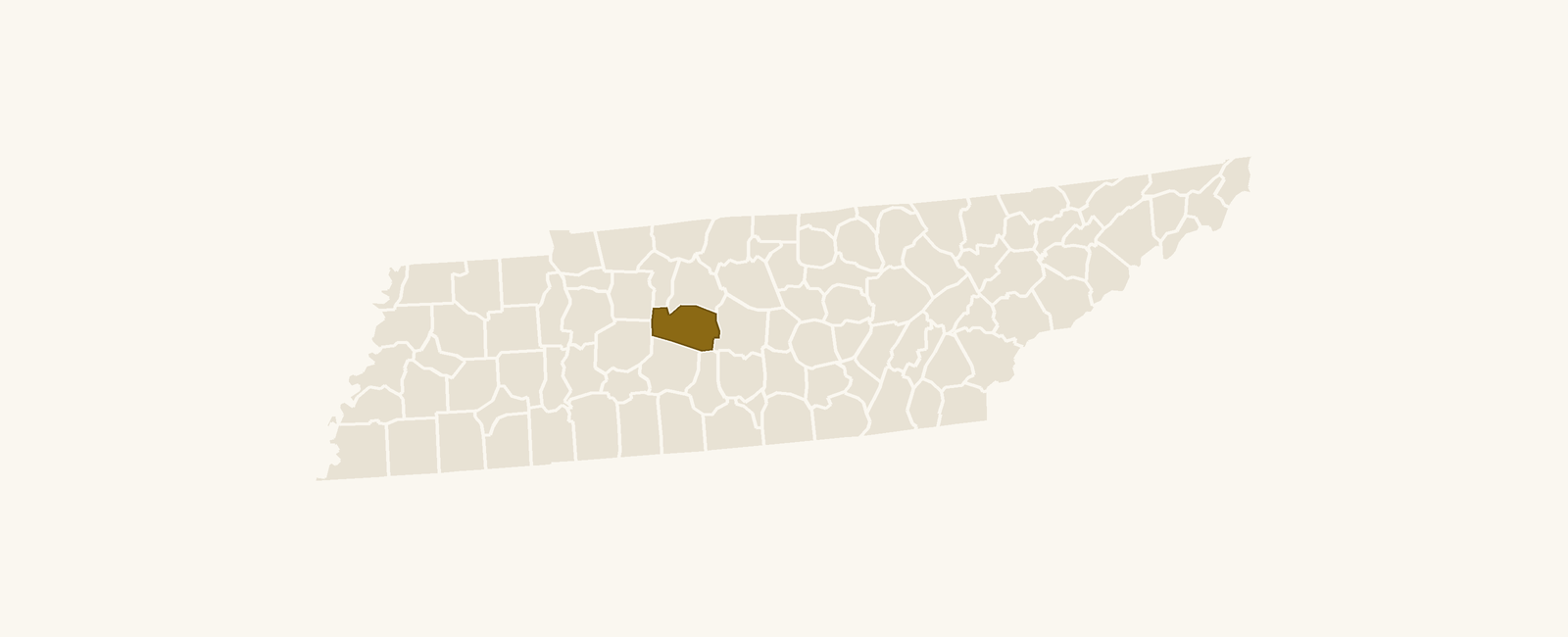
What Williamson County Tennessee real estate investing looks like
Start with the price of entry. The median home value in Williamson County is $674K, and the county's own 2026 State of the County address puts it even higher, over $920,000. Whichever figure you use, this is not an entry-level market, and about 254,609 residents live in 94,418 housing units.
Owner-occupied and tightly held. Some 80% of homes are owner-occupied, and just 4% of housing units are vacant, compared with 10% for the U.S. Few homes sit empty, so you rarely find a deal by driving past a boarded-up house. The deals tend to come from owners who have a reason to sell.
Newer, single-family housing. About 78% of homes are single-family detached (U.S.: 61%), and only 2% were built before 1940 (U.S.: 12%). Expect fewer century-old surprises than in older cities, but also fewer cheap fixer-uppers. Your renovation budgets will more likely go to finishes and dated systems than to structural rescue.
Rents support buy-and-hold math only if your purchase price is disciplined. HUD's Fair Market Rent for the Nashville-Davidson--Murfreesboro--Franklin area is $1,798 for a two-bedroom and $2,309 for a three-bedroom. Compare those against the carrying costs of a home in this value range before you fall in love with a rental plan.
Source: U.S. Census ACS 2023
What the equity picture means for sellers
In Williamson County, 31% of owner-occupied homes are owned free and clear, below the U.S. figure of 39%. That means a larger share of owners carry a mortgage than in the typical U.S. county. Mortgage-related stress, and the filings that come with it, matter here.
Seniors are a smaller share. Residents aged 65 or older make up 14% of the population (U.S.: 17%), yet the median age is 40.3 (U.S.: 38.9). This is a middle-aged county with a younger senior population than average, so probate sales tend to involve homes that were owned for a long time and often passed to adult children who live elsewhere.
New construction competes with you. The county permitted 1,621 new housing units in 2025, a change of -19% from 2024. New supply is still entering the market, so a buyer deciding between your renovated resale and a new build has options. Price your exit accordingly.
Which court filings tend to come before a sale here
A court filing is a signal that someone's circumstances have changed. It is not a promise that they want to sell. Here is what each type usually means in Williamson County.
- Pre-foreclosure: The lender has started the process after missed payments. The owner may want to sell to avoid a foreclosure sale, but may also be working on a loan modification or catch-up plan.
- Probate: An owner has died and the estate is being administered. Heirs may want a quick, clean sale, especially if they live out of state or inherited a house with a mortgage.
- Divorce: A marriage is ending and the home may need to be sold or bought out. Both spouses usually need to agree, and emotions run high.
- Tax sale: Delinquent property taxes can be sent to court. In Williamson County, that work is handled by the Chancery Court Clerk & Master's Office. Owners with unpaid taxes may be dealing with other financial pressure too.
Because 80% of homes are owner-occupied, most of these filings involve someone's primary residence. That raises the stakes for the people involved and the care you owe them.

How the process works in Tennessee, in plain terms
Foreclosure. Tennessee mortgages are commonly secured by a deed of trust, and foreclosure is usually non-judicial. That means the lender typically proceeds without a lawsuit, following the notice steps in the loan documents and state law. Notice and timing rules are specific, so confirm any deadline with a Tennessee attorney rather than relying on a general summary.
Probate. When a homeowner dies, a personal representative named in the will, or appointed by the court if there is none, generally has authority to act for the estate. Whether and how a house can be sold depends on the will, the type of administration and the heirs. Ask for proof of authority before you sign anything.
Divorce. The court controls how marital property is divided. A sale may be agreed to by the spouses or ordered as part of the case, so make sure everyone with a legal interest is part of the deal.
Property tax. Tax bills are mailed in early October and cover January 1 through December 31. They are due from the first Monday in October through February 28, with 1.5% interest applied starting March 1. The County Trustee collects taxes for the county, Franklin Special School District, and Brentwood, Franklin, Thompson's Station and Nolensville. Fairview and Spring Hill collect their own city taxes. Rates differ by town, with Brentwood's total higher than the county-only rate, so the tax burden you underwrite depends on where the house sits.
How to approach owners respectfully and legally
The people behind these filings are facing a death, a divorce or money trouble. Your first message should be short, honest and easy to ignore if they are not interested.
Say who you are and why you are reaching out. Offer to buy, explain that you are an investor, and make clear there is no pressure. Do not imply you are connected to the court, the lender or a government office.
Respect phone rules. If you call, follow the National Do Not Call Registry and Tennessee's telemarketing rules, including calling-hour limits and honoring any request to stop. Check these rules with an attorney if you plan to call in volume. A letter is often a gentler first contact for an estate or a family in grief.
Give people room. Heirs and divorcing spouses often need time and advice. Encourage them to talk to an attorney, a tax adviser or a trusted agent. A seller who feels respected is more likely to call you back, and less likely to complain about you later.
The filings themselves are public records. Keystone delivers them for this county with the owner and property already matched, so your time goes to the conversation.
What to look for before making an offer
At this price level, small oversights get expensive. Before you commit, work through the basics.
- Who can legally sell. For an estate, confirm the personal representative's authority. For a divorce, confirm both spouses and any court orders. For a pre-foreclosure, understand the loan balance and where the process stands.
- Liens and taxes. Unpaid property taxes, with interest starting March 1, can sit on top of other debts. Have a title company or attorney confirm what must be cleared at closing.
- Condition. With few pre-1940 homes, expect newer construction. Inspect roofs, HVAC, water issues and deferred maintenance, since the house may have been neglected during a hard stretch.
- Exit. Test your resale price against nearby new construction and your rental numbers against the HUD figures above.
- Town differences. Brentwood, Franklin, Fairview, Nolensville, Spring Hill and Thompson's Station differ in tax collection and rates, so run the numbers for the exact location.
Walk away if the situation is unclear. In a market with low vacancy and high values, patience is cheaper than a bad closing.
Questions investors ask
Is Williamson County a good place for wholesaling?
It can be, but the margins depend on careful pricing. With a median home value of $674K and only 4% of housing units vacant, deals come from owners with a reason to sell, not from abandoned properties. Your buyer list needs to be ready for higher price points.
Does a pre-foreclosure filing mean the owner wants to sell?
No. Some owners are working with their lender or trying to catch up, and others want out. Reach out with a clear, low-pressure message and let them decide.
Are probate sales common in Williamson County?
Probate matters here because many homes carry long-held equity, though the county's 65+ share is 14%, below the U.S. figure of 17%. Treat each estate individually, and confirm the personal representative's authority before negotiating.
When are property taxes due, and when do they become late?
Bills are mailed in early October and are due from the first Monday in October through February 28. Interest of 1.5% applies starting March 1. Delinquent taxes sent to court are handled by the Chancery Court Clerk and Master's Office.
Can I call homeowners I find through court filings?
You can, but follow the National Do Not Call Registry and Tennessee's telemarketing rules, and stop when asked. A respectful letter is often a better first step. Confirm your obligations with an attorney.
See Williamson County leads for 7 days, free
Real court filings with the owner and property matched. No credit card.