Investing in Seminole County, Florida: where motivated sellers show up in the court record
A county of about 474,912 people, mostly owner-occupied and mostly newer homes, with less paid-off equity than the national average. Here is what that means for finding and approaching sellers.
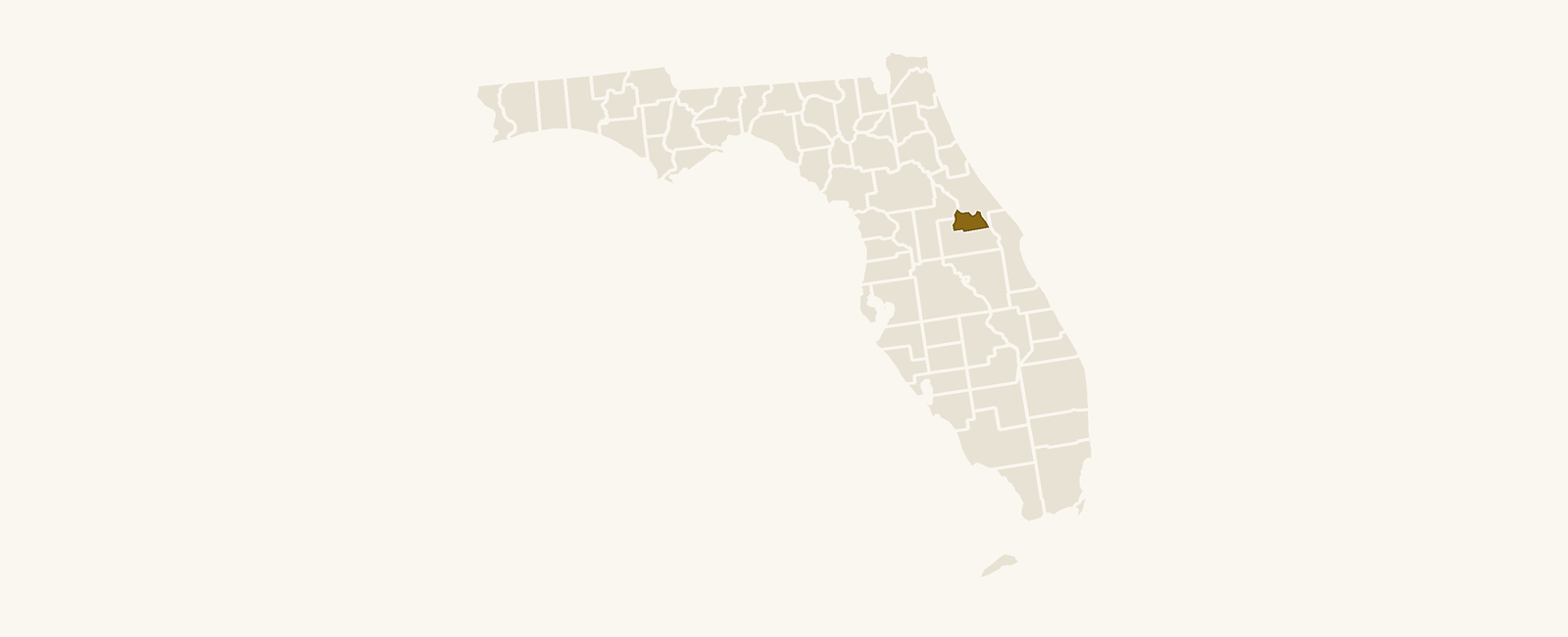
What Seminole County housing looks like for an investor
Seminole County Florida real estate investing starts with a market of 197,167 housing units and 474,912 residents, with Sanford as the county seat. Two out of three homes (66%) are owner-occupied, and 62% are single-family detached, just above the U.S. figure of 61%.
Newer stock, fewer surprises. Only 1% of homes were built before 1940, compared with 12% nationally. That does not mean every house is in good shape, but you are less likely to price in the knob-and-tube, plaster and foundation problems common in older Northern markets. Roofs, HVAC, plumbing and water damage are the more realistic line items.
Tight supply. Vacancy is 6% against 10% nationally, and new housing units permitted fell 12% from 2024 to 2025, to 1,997. Fewer empty homes and slower new building point to steady demand for resale and rental inventory.
Equity is real but not unlimited. With a median home value of $357K, 33% of owner-occupied homes are owned free and clear (U.S.: 39%). More owners here carry a mortgage, so a distressed owner may have equity, but you should expect a payoff to be part of almost every conversation.
Source: U.S. Census ACS 2023
Which court filings come before a sale in Seminole County
Seminole County is served by the Eighteenth Judicial Circuit Court, which it shares with Brevard County, and court administration for Seminole sits in Sanford. Filings in that court are public records. Each type tells you something different about the owner's situation.
- Pre-foreclosure: a lender has sued over a missed mortgage. The owner is often under time pressure and may prefer a sale to losing the home.
- Probate: an owner has died and the estate is being opened. Heirs may live elsewhere and may not want to manage, repair or keep a house.
- Divorce: a couple may need to sell or buy out one spouse. The timing depends on the settlement and any court orders.
- Tax sale: unpaid property taxes can lead to a tax certificate and, later, a tax deed process. These situations are slower and more technical.
Because 33% of owner-occupied homes are owned free and clear, probate and divorce matter here mostly for the equity they release when a home with a modest mortgage must be divided or sold. With 16% of residents aged 65 or older (U.S.: 17%), probate is a steady, not dominant, source of opportunity.
How the process works in Florida, in plain terms
Foreclosure is judicial. In Florida a lender generally has to file a lawsuit in circuit court and obtain a judgment before a foreclosure sale. That gives the owner time and gives you a window to talk, but the exact timeline varies by case. Confirm any deadline with a Florida attorney before you rely on it.
Probate goes through the circuit court. A personal representative is appointed by the court, and that person generally has the authority to deal with estate property. A relative cannot always sell on their own. Ask who holds court authority and have a title company or attorney confirm it before you sign anything.
Divorce is also a circuit court matter. The Eighteenth Judicial Circuit offers family mediation covering divorce, time-sharing, parenting plan modification and child support, using a court-appointed mediator. Its Seminole family case FAQ notes that litigants may be ordered to take a parenting course. Seminole County also has a Dorothy Guess Self-Help Center that offers affordable attorney consultations for people completing family court forms. Many divorcing owners are working through these steps, so a sale may follow the mediation or settlement.
Tax sales follow their own rules. Florida handles delinquent taxes through certificates and a later deed process with set notice steps. The details are statutory and change, so have an attorney confirm them for any specific property.

The rent numbers if you plan to hold
For buy-and-hold, HUD publishes Fair Market Rent for the Orlando-Kissimmee-Sanford area. The 2-bedroom figure is $1,959 per month and the 3-bedroom figure is $2,445 per month.
Set those against a median home value of $357K and the purchase, repair and carrying costs you actually face. Fair Market Rent is a benchmark, not a promise of what a given house will rent for. Use it to sanity-check a deal, then confirm real rents for the specific property type and condition.
With vacancy at 6% and permits down 12% from 2024 to 2025, a renovated single-family home has a fair chance of finding tenants, but run the numbers conservatively.
How to approach owners respectfully and legally
The people behind these filings are dealing with debt, a death or a divorce. Lead with honesty. Say who you are, why you are reaching out, and that they are under no obligation. Never imply you represent the court, the lender or the estate.
Be careful with phone calls. If you call, follow the federal Do Not Call rules from the FTC and Florida's telephone solicitation law, including calling-hour limits and honoring opt-out requests. A letter or a short, respectful note often lands better than a cold call. Keep records of every opt-out.
Do not pressure grieving families. For probate, offer to talk when they are ready and make it easy to say no. For foreclosure, remind owners they may want a housing counselor or attorney. For divorce, remember that both spouses may have a say in the sale.
If you want these filings as leads you can work from, Keystone Court Data delivers Seminole County filings ready to use, and you can try the county free for 7 days. See the Seminole County page or how it works.
What to look for before you make an offer
Liens and payoffs. With fewer homes owned free and clear than the national average, assume a mortgage and possibly other claims. Have a title company confirm what must be paid at closing so your offer reflects what the seller actually nets.
Authority to sell. In probate, confirm who has court authority. In divorce, confirm whether both parties must sign and whether the court has restricted a sale. In foreclosure, confirm the case status with an attorney.
Condition. Because the stock is mostly newer, inspect roof, HVAC, plumbing and signs of water intrusion first. Estate homes may have deferred maintenance, so budget for it.
Exit. Decide in advance whether this is a flip, a wholesale or a rental. Compare your numbers to HUD rent benchmarks and local resale values, and keep a margin for surprises.
Questions investors ask
Is foreclosure judicial in Seminole County, Florida?
Yes. Florida lenders generally have to sue in circuit court before a foreclosure sale, and Seminole cases go through the Eighteenth Judicial Circuit. Timelines vary from case to case, so confirm any deadline with a Florida attorney.
Can I buy a house from an estate in Seminole County?
Often yes, but only from someone with legal authority, typically a court-appointed personal representative. Heirs usually cannot sell on their own before that. Have a title company or attorney confirm authority before you sign.
Why do divorce filings matter to investors here?
A divorce can force a sale or a buyout, and the Eighteenth Judicial Circuit runs mediation covering divorce and related family matters. Sellers may be motivated by timing, but they are also under stress, so keep contact low-pressure and honest.
Are there rules about calling homeowners in Florida?
Yes. Federal Do Not Call rules and Florida's telephone solicitation law both apply to many sales calls. Honor opt-outs, respect calling-hour limits, and talk to an attorney about your specific outreach.
What rents can I plan around for a Seminole County rental?
HUD's Fair Market Rent for the Orlando-Kissimmee-Sanford area is $1,959 monthly for a 2-bedroom and $2,445 for a 3-bedroom. Treat those as benchmarks, not guarantees for a particular house.
See Seminole County leads for 7 days, free
Real court filings with the owner and property matched. No credit card.