Investing in Genesee County, Michigan: where motivated sellers show up in the court record
Genesee County has a lot of paid-off homes, an older population and mostly single-family housing. Here is what that means for finding sellers who need to move.
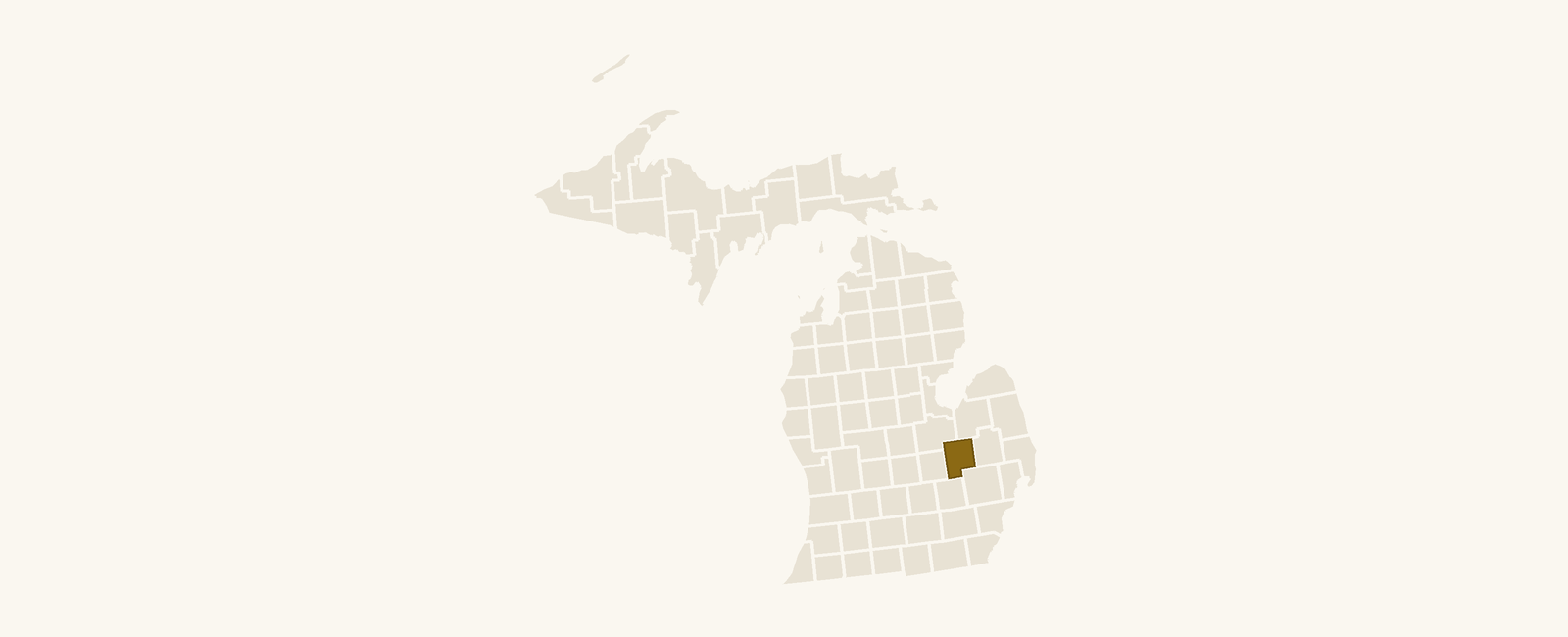
Genesee County Michigan real estate investing: what the housing looks like
Genesee County has 404,087 residents and 183,729 housing units, with Flint as the county seat. If you are researching Genesee County Michigan real estate investing, start with the shape of the housing, because it tells you what kind of deal you will mostly see.
Mostly houses, mostly owned. About 71% of homes are owner-occupied, and 74% of housing units are single-family detached, compared with 61% for the U.S. The median home value is $173K. That points to a market of ordinary houses that suit a rehab-and-resell plan or a rental.
Rents for buy-and-hold. HUD's Fair Market Rent for Flint is $1,133 a month for a 2-bedroom and $1,391 for a 3-bedroom. Set those against a purchase price and repair budget before you commit to a rental plan.
Demand signals. Vacancy is 9% of housing units, slightly under the U.S. figure of 10%. New construction is modest: 444 units were permitted in 2025, up 6% from 2024. Not much new supply is competing with the existing houses you would buy.
Homes built before 1940 are 12% of the stock, the same as the national share. Age alone will not separate this county from others, so look at each house's condition and systems instead of assuming a repair budget.
Source: U.S. Census ACS 2023
Why paid-off homes and an older population shape the deals
Two figures set Genesee County apart. In 43% of owner-occupied homes the owner has no mortgage, versus 39% nationally. And 18% of residents are 65 or older, versus 17% nationally, with a median age of 40.6 against 38.9 for the U.S.
Equity changes the conversation. When a home is owned free and clear, a sale after a death or a divorce can leave real proceeds for the people involved. Heirs often want a clean, quick outcome more than a top retail price, and that gives you room to make a fair offer that works for them.
Older owners mean more estates. A county with an older age profile will see more homes pass through the probate system. Many of those houses have been held for decades, may need updating, and may be inherited by relatives who live elsewhere and do not want to manage a property.
None of this guarantees a deal. It means the filings that follow death and life changes deserve more of your attention here than in a younger market.
Which court filings tend to come before a sale here
A court filing is often the first public sign that a property may change hands. Each type means something different about the owner's situation and timeline.
- Probate. An estate has been opened after an owner's death. The home may need to be sold to settle debts, split among heirs, or simply to end the burden of upkeep.
- Pre-foreclosure. A lender has started the process after missed payments. The owner may be looking for a way to sell before losing the home and any equity in it.
- Divorce. In Genesee County, family cases go through the 7th Judicial Circuit Court in Flint, which runs a multi-judge family division. The county's Family Court Plan aims for a "one family-one judge" approach, so related cases tend to be kept together. A shared home is often sold as part of a settlement.
Keystone covers pre-foreclosure and probate in this county. Divorce is a real source of sales, but it is outside what is offered here, so treat it as background for the situations you may meet.
Each filing says what happened, not what the owner wants. Many owners will not sell, and many have other options. Treat the filing as a reason to reach out kindly, not as a promise of a deal.

How the process works in Michigan, in plain terms
Foreclosure. Most Michigan residential foreclosures proceed outside of court, by a process called foreclosure by advertisement. That generally means the lender publishes notice and the home is sold at a public sale. After the sale, the former owner typically has a redemption period to reclaim the property. Its length and the owner's rights depend on the facts, so confirm the details and deadlines with a Michigan real estate attorney before you act on any particular property.
Probate. Estates in Genesee County are handled by the Genesee County Probate Court in Flint, which works jointly with the 7th Judicial Circuit Court under a Family Court Plan. Generally, a house in an estate is sold by the person the court has authorized to act for it, often called the personal representative. The authority they have, and any court approval a sale may need, can vary by estate. Ask for confirmation of that authority in writing before you rely on a seller's word.
Why it matters to you. In foreclosure the clock is set by the lender's process, so timing is tight. In probate the clock is set by the estate, which is often slower and more flexible. Your approach should match: clear and prompt with a homeowner under pressure, patient with a family settling an estate.
Court filings are public. If you want them delivered with the owner and property already matched, that is what Keystone's Genesee County page covers.
How to approach owners respectfully and legally
The people behind these filings are grieving a death, facing debt, or ending a marriage. How you show up matters as much as the offer you make.
Lead with help, not pressure. Introduce yourself honestly, say why you are calling or writing, and make clear there is no obligation. Never imply that you represent the court, a lender or a government agency. Let people say no, and accept it.
Follow the calling rules. If you phone, comply with the federal Do Not Call rules and Michigan's telemarketing rules, including calling-hour limits and honoring opt-out requests. Rules differ for calls, texts and mail, so have an attorney confirm what applies to your outreach. The FTC publishes plain guidance on telemarketing.
Be careful with foreclosure situations. Distressed owners are sometimes targeted by unfair deals. Michigan and federal rules may apply to how you structure a purchase from someone facing foreclosure, so get legal advice on your contract and disclosures before you make an offer.
For estates, talk to the right person. Speak with the personal representative or the family member who has been named in the proceeding, not with whoever happens to answer. Be patient. Families often need time before they can decide.
What to look for before you make an offer
A filing gets you to the conversation. Your due diligence decides whether a deal makes sense.
- Who can sign. For an estate, confirm who has the authority to sell and whether the court must approve. For a foreclosure, understand where the case stands and what rights the owner still holds.
- Title and liens. Equity from a paid-off home can be reduced by other debts or claims. Have a title company or attorney review the property before you close.
- Condition. Older houses held for decades often need work. With 12% of homes built before 1940, some will have older systems, so budget repairs from an inspection, not from the median value of $173K.
- Exit plan. For a resale, compare your numbers to local buyers. For a rental, test them against the Flint Fair Market Rents of $1,133 for 2 bedrooms and $1,391 for 3 bedrooms.
- Local growth. A $43 million Miller Industries expansion in Fenton is expected to create at least 167 jobs, and the Flint & Genesee Economic Alliance has said it wants Genesee to become a top five Michigan county by 2040. Treat these as context, not guarantees, and do not pay for a promise.
Done well, a fair offer that solves a real problem for the seller is the strongest position you can take. See how Keystone works if you want the filings delivered ready to act on.
Questions investors ask
Is foreclosure in Michigan judicial?
Most Michigan residential foreclosures are done by advertisement, which generally means outside of court. A lender publishes notice and sells the home at a public sale. Rules and timelines vary by case, so confirm specifics with a Michigan attorney.
Who handles probate in Genesee County?
The Genesee County Probate Court in Flint handles estates. It works jointly with the 7th Judicial Circuit Court under a Family Court Plan. A house in an estate is generally sold by the person the court has authorized to act for it.
Can an executor sell a house in Genesee County?
Generally, a personal representative with authority from the probate court can sell estate property. Some sales may need extra court steps depending on the estate, so ask for proof of authority and have an attorney confirm what is required.
Do rents in Genesee County support buy-and-hold?
HUD's Fair Market Rent for Flint is $1,133 a month for a 2-bedroom and $1,391 for a 3-bedroom. With a $173K median home value, run your own numbers on purchase price, repairs and taxes before you decide.
Can I call homeowners I find in court filings?
You can, but you must follow federal Do Not Call rules and Michigan's telemarketing rules. Be honest about who you are, keep contact low-pressure, and stop when someone asks. Confirm what applies to your outreach with an attorney.
See Genesee County leads for 7 days, free
Real court filings with the owner and property matched. No credit card.