Investing in Polk County, Iowa: where motivated sellers show up in the court record
Polk County has tight vacancy, a wave of new construction and fewer free-and-clear owners than the U.S. average. Here is what that means for finding and treating motivated sellers.
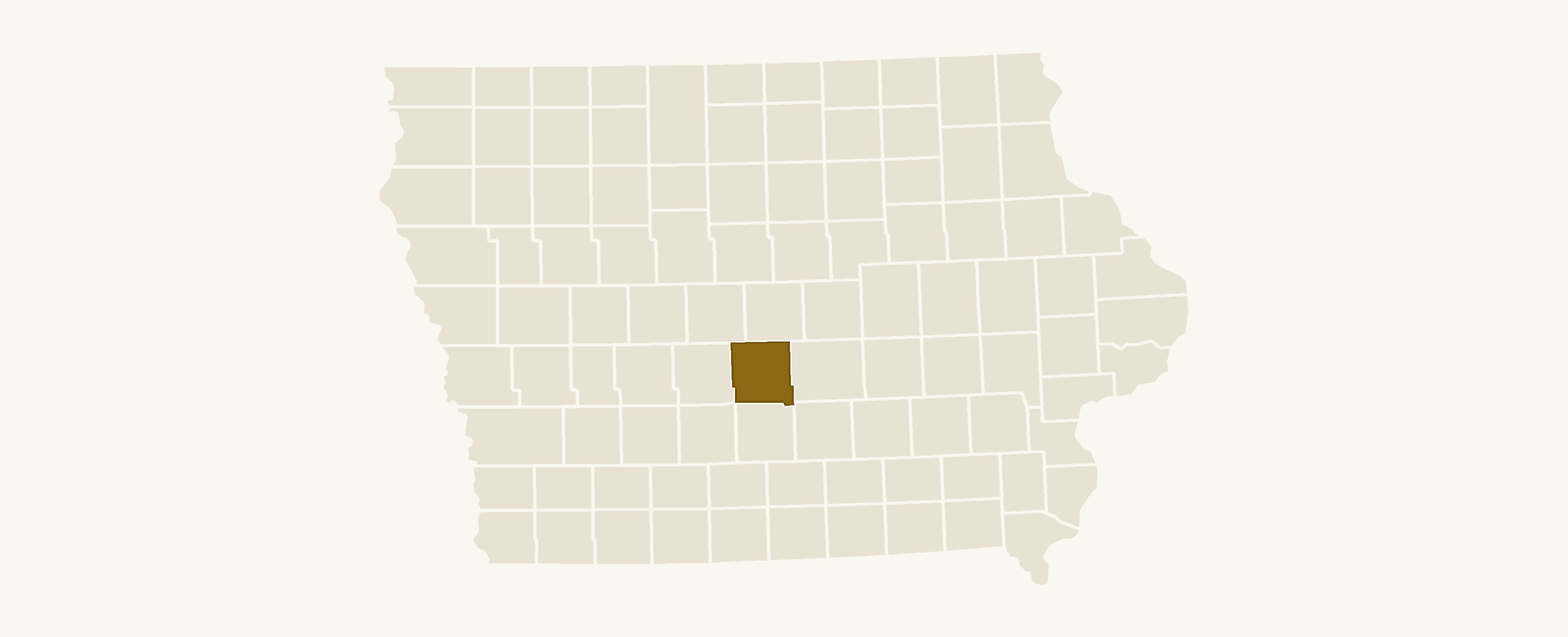
Polk County Iowa real estate investing: what the housing looks like
Polk County, with Des Moines as its county seat, has a population of 497,441 and 215,016 housing units. The median home value is $248K, and 67% of homes are owner-occupied. That is a county of homeowners, not a rental-heavy market.
Demand looks steady. Just 6% of housing units are vacant, compared with 10% across the U.S. Homes here tend to be occupied, which helps both resale and rental plans.
The housing is mostly traditional. About 62% of homes are single-family detached (U.S.: 61%), so you are largely buying houses, not condos or large apartment stock. Another 15% were built before 1940 (U.S.: 12%), a slightly bigger share of older homes than average.
New supply is arriving. Builders were permitted for 4,730 new housing units in 2025, a 60% increase over 2024 (Census building permits). Newer homes can compete with the properties you rehab or rent, so price your exit with that in mind.
For buy-and-hold math, HUD's Fair Market Rent for the Des Moines-West Des Moines area is $1,360 monthly for a 2-bedroom and $1,856 for a 3-bedroom (HUD). Treat these as a reference point, not a promise of what a given house will rent for.
Source: U.S. Census ACS 2023
What the equity picture means for sellers
Across the U.S., 39% of owner-occupied homes have no mortgage. In Polk County the figure is 30%. More owners here still carry a loan, which changes who ends up in a distressed sale and how much room you have to work with.
- Less cushion in a pre-foreclosure. A borrower behind on payments may have less equity than you expect, so a quick, fair sale that clears the debt may genuinely help them.
- Estates and divorces vary widely. Some heirs and divorcing spouses inherit or share substantial equity, while others face a loan balance that limits their options. Do not assume either way.
- Age mix shapes probate. Residents 65 or older are 14% of the county (U.S.: 17%) and the median age is 36.2 (U.S.: 38.9). Polk County skews younger, so probate may be a smaller slice of your pipeline than in older counties, though estate sales still happen.
A younger, mortgage-carrying population points to pre-foreclosure and divorce as lead types worth understanding well.
Which court filings tend to come before a sale in Polk County
A court filing is a signal that something in an owner's life has changed. It is not a sign that they want to sell. Here is what each type usually means.
Pre-foreclosure. A lender has started the legal process after missed payments. The owner may want to sell to avoid a foreclosure judgment, or may be working on a loan modification or repayment.
Probate. When an owner dies, the estate is opened in court and a personal representative is responsible for the property. Heirs often live elsewhere, and a house can become a burden they are happy to hand off, but some will want to keep it.
Divorce. Divorce cases in Polk County are heard in the Polk County District Court in Des Moines, which has a dedicated Family Law Case Coordinator for scheduling. When spouses cannot agree to keep a home, a sale is often part of the settlement. Parents in custody or visitation cases must attend a court-approved divorce-education course, such as Children in the Middle, within forty-five days of service of the original notice. Children aged 6 to 16 are currently required to attend workshops run by the Iowa Center for Children's Justice (Iowa Judicial Branch). Expect owners in these cases to be busy and stretched, so keep your outreach brief and considerate.
Tax sale. Unpaid property taxes can lead to a county tax sale process. The owner may be struggling financially, or may simply have neglected a bill on a property they no longer use.
These filings are public. Keystone delivers them with owner and property already matched, so you can spend your time on conversations, not paperwork.

How the process works in Iowa, in plain terms
Iowa foreclosure can run through the courts or, in some situations, outside them, depending on the loan documents and the lender's choices. The route changes the timeline and what an owner can still do, so do not assume one path for every file. Confirm specifics with an Iowa attorney.
Redemption and timing. Iowa law gives owners certain rights to redeem after a foreclosure, and the length depends on the circumstances of the case. Do not quote a period to an owner unless an attorney has confirmed it for that file.
Probate is handled by the district court. A personal representative, either named in the will or appointed by the court, generally manages estate property. What that person can sell, and whether court approval is needed, depends on the will and the type of administration. Ask for proof of authority and let the estate's attorney weigh in.
Divorce sales follow the decree or the parties' agreement. A home often cannot be sold until both spouses agree or the court orders it, so timelines can shift.
Tax sales have their own calendar. Counties run them under state law, and owners generally keep a redemption right for a time afterward. Confirm the current rules with the county court or an attorney before relying on any date.
How to approach owners respectfully and legally
The people behind these filings are dealing with debt, loss or a breakup. Lead with honesty and give them room.
- Say who you are and why you are calling or writing. Never pose as a lender, a court or a neighbor.
- Do not pressure. Let them take time to talk to family, a lawyer or a housing counselor.
- Respect Do Not Call. If you phone, comply with the National Do Not Call Registry and Iowa's telemarketing rules, and keep your own internal list of people who asked not to be contacted.
- Be careful with timing. A call right after a death or on a court date rarely goes well. A short, kind letter can be the better first step.
- Never promise legal outcomes. Do not tell someone how a foreclosure or probate will end. Suggest they ask an attorney.
You can read the FTC's overview of telemarketing rules on donotcall.gov.
What to look for before you make an offer in Polk County
Condition, especially in older homes. With 15% of the housing built before 1940, plan for inspections of foundations, wiring, plumbing and roofs. Add a repair cushion before you set your number.
Competition from new builds. Rising permits mean buyers may weigh your finished product against new construction. Check that your resale or rental price still makes sense.
Rent assumptions. Compare your projected rent with the HUD figures of $1,360 for a 2-bedroom and $1,856 for a 3-bedroom, then adjust for the specific house and neighborhood.
Title and authority. Confirm who has the right to sign. In an estate that is the personal representative, in a divorce it may be both spouses, and in pre-foreclosure it is the owner of record. Have a title company and attorney review the file before you close.
A fair price. Owners with less equity need an offer that works for them too. A sale that leaves everyone better off is more likely to close and to earn you referrals. See how Keystone works or the Iowa overview for more.
Questions investors ask
Is Polk County a good market for real estate investors?
It has low vacancy at 6% against 10% nationally, a median home value of $248K and steady owner-occupancy at 67%. New construction is also growing, so run your numbers against that competition. No county is right for every strategy, so match it to yours.
Which lead types matter most in Polk County?
Because only 30% of owner-occupied homes are mortgage-free, pre-foreclosure and divorce are worth close attention. Probate and tax sale filings add other kinds of motivated sellers. Which one fits you depends on your budget, repair skills and exit plan.
Can an executor sell a house in Iowa?
Often yes, but it depends on the will and the type of estate administration, and sometimes court approval is needed. Ask for proof of the personal representative's authority and involve the estate's attorney. Confirm specifics with an Iowa attorney.
Do I have to follow Do Not Call rules when contacting owners?
Yes, if you phone, you need to follow the National Do Not Call Registry and Iowa telemarketing rules. Honor opt-out requests and keep your own record of them. A short letter is a lower-pressure alternative.
How do HUD rents help me underwrite a rental in Polk County?
HUD's Fair Market Rent for the Des Moines-West Des Moines area is $1,360 for a 2-bedroom and $1,856 for a 3-bedroom. Use them as a reference point, then adjust for the condition, location and features of the specific home.
See Polk County leads for 7 days, free
Real court filings with the owner and property matched. No credit card.