Investing in Orange County, Florida: where motivated sellers show up in the court record
Orange County has more renters, more vacancy and less free-and-clear equity than the U.S. norm. Here is what that means for finding and treating motivated sellers well.
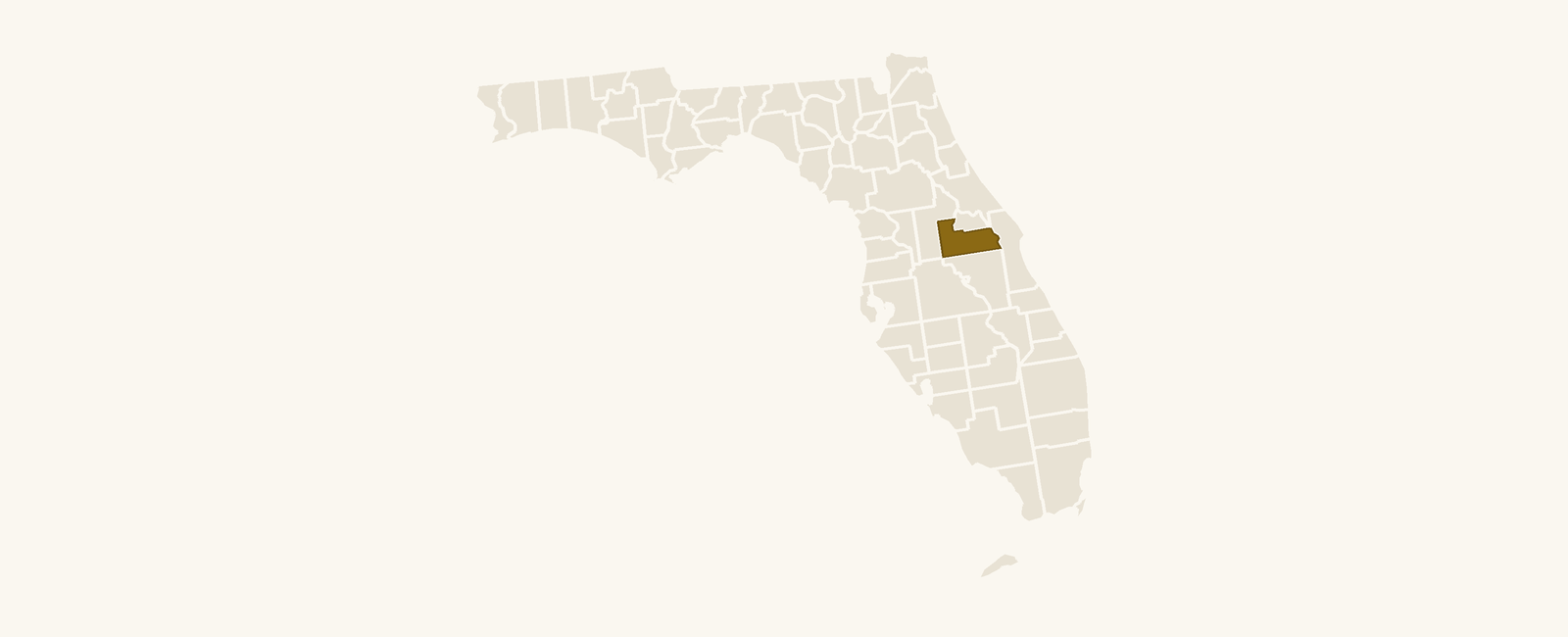
What Orange County's housing looks like
Orange County has 576,450 housing units for 1,440,471 people, and only 57% of homes are owner-occupied. That is a rental-leaning county, and it shapes everything about Orange County Florida real estate investing.
Vacancy runs above the national figure. About 12% of housing units here are vacant, compared with 10% for the U.S. Vacant units are not all distressed, but a higher share means you will meet more absentee owners and more properties that have sat.
Single-family homes are not as dominant as elsewhere. Single-family detached homes make up 54% of housing, against 61% nationally. The rest is condos, townhomes, apartments and similar, so you will need to be comfortable with association rules and shared-wall properties.
The median home value is $358K, and the median resident age is 36.4 (U.S.: 38.9). It is a younger county than most, which matters when you think about who is selling and why.
Source: U.S. Census ACS 2023
What equity and age tell you about sellers
Among owner-occupied homes, 32% have no mortgage, compared with 39% across the U.S. So fewer Orange County owners hold a home outright. In a distressed sale you should assume a loan, and possibly more than one lien, until the paperwork says otherwise.
Probate matters, but less than in older counties. Residents aged 65 or older are 13% of the population (U.S.: 17%). Estates still produce plenty of sales, but they are a smaller share of the picture than in retirement-heavy markets, and an inherited home here is less likely to be free and clear.
Younger owners point to different pressures. With a lower median age, life events such as divorce, job changes and overextended mortgages are a bigger part of the story. Those show up in court records as divorce and foreclosure filings.
Which court filings tend to come before a sale here
A court filing is a sign that something has changed for the owner. It is not a sign the owner wants to sell. Here is what each one tends to mean.
- Pre-foreclosure: The lender has started a lawsuit over missed payments. The owner may want out before the case ends, but may also be working on a fix with the lender.
- Probate: An owner has died and the court is overseeing the estate. Heirs often live elsewhere and may prefer to sell rather than manage a house from a distance.
- Divorce: A home may need to be sold or bought out as part of the settlement. Timing depends on the couple and the court.
- Tax-related filings: Unpaid property taxes can lead to a tax certificate and eventually a tax deed sale. These owners may have limited time.
- Partition: Co-owners disagree, and one asks the court to force a sale or division. This often involves inherited property with several heirs.
These records are public. Keystone Court Data delivers them with the owner and property already matched, so you can spend your time on conversations rather than paperwork. You can see how it works on the Orange County page.

How the process works in Florida, in plain terms
Foreclosure is judicial. In Florida a lender generally has to file a lawsuit in circuit court to foreclose. The case moves through the court, and a judge decides whether to enter a judgment. A sale follows only after that. Because it runs through the court, the owner usually has some time to sell, negotiate or contest.
Probate runs through the circuit court too. When someone dies owning a home, the court oversees the estate and appoints a personal representative. That person generally needs the court's authority before they can sell, and the rules depend on whether there is a will, how title is held, and whether the home qualified as the owner's homestead. Orange County's court sits in Orlando, the county seat.
Details such as redemption rights, sale timing, and homestead restrictions vary with the facts of each case. Confirm them with the county court or a Florida real estate attorney before you commit to a deal. You can read more about how Florida works on our state page.
Orange County Florida real estate investing: what rents and permits say
For buy-and-hold, HUD Fair Market Rent for the Orlando-Kissimmee-Sanford area is $1,959 a month for a 2-bedroom and $2,445 for a 3-bedroom. Those are reference points, not guarantees, but they give you a starting place for a rent-versus-price check on any house you are considering.
New supply is arriving fast. The county permitted 13,140 new housing units in 2025, up 63% from 2024. More new construction gives renters and buyers more choices, so a flip or rental that needs work competes against new product. Price your repairs and your exit with that in mind.
The housing stock is young. Only 2% of homes were built before 1940 (U.S.: 12%). You are less likely to find century-old plumbing and knob-and-tube wiring, but you should still budget for roofs, air conditioning and the wear that comes with age and Florida weather.
How to approach owners respectfully and legally
The people behind these filings are dealing with debt, a death or a split. Lead with honesty. Say who you are, why you are reaching out, and that there is no pressure. If the answer is no, thank them and leave it there.
Be careful with phone calls. Check the National Do Not Call Registry before calling, and follow Florida's telemarketing rules, including limits on calling hours and requirements about how you identify yourself. If you are unsure whether a rule applies to you, ask an attorney. A handwritten letter or a short, courteous visit is often better received than repeated calls.
Never imply a deadline you cannot back up. Do not tell a family in probate they must act now, and do not suggest you can stop a foreclosure unless you are actually able to. Encourage owners to talk to an attorney, a housing counselor or their lender. A seller who feels respected is also more likely to give you a fair deal.
What to look for before you make an offer
Start with the title and the debts, because 32% of owners here hold no mortgage (U.S.: 39%) and most of the rest do. Confirm the loan balances, any second mortgages, tax and association liens, and any judgments before you settle on a number.
- Who can sign: In a probate sale, confirm the personal representative has the court's authority to sell. In a divorce, confirm both parties and the court agree.
- Association and condo rules: With single-family detached homes at only 54% of housing, many deals involve an association. Check for fees owed, rental limits and approval requirements.
- Occupancy and condition: A vacant home may have deferred maintenance, and an occupied one may have tenants with rights. Walk it before you price it.
- Your exit: Compare the purchase price and repair costs with the $358K median home value and the HUD rents, and think about how new construction will affect resale or leasing.
Have a Florida real estate attorney or title company review any deal that involves a court case. The rules differ by situation, and a missed lien or a signature from the wrong person can sink a purchase.
Questions investors ask
Is Orange County, Florida a good place for buy-and-hold investing?
The rent figures are a starting point. HUD Fair Market Rent for the Orlando-Kissimmee-Sanford area is $1,959 for a 2-bedroom and $2,445 for a 3-bedroom. Compare those with your purchase price and repair costs, and account for the 13,140 new units permitted in 2025, which adds competition for tenants.
Does Florida require a court case to foreclose?
Generally yes. Florida foreclosures are judicial, meaning the lender files a lawsuit in circuit court. Timelines and owner rights depend on the case, so confirm specifics with the county court or an attorney.
Can an executor sell a house in probate in Orange County?
A personal representative can often sell, but usually only with the court's authority, and the rules depend on the will, how title is held, and whether the home was the owner's homestead. Have an attorney confirm before you sign anything.
Can I call owners listed in court filings?
Only if you follow the rules. Check the National Do Not Call Registry and Florida's telemarketing requirements first, and keep calls polite and brief. Many investors find a letter is better received.
What do Orange County court filings tell me about a possible seller?
Foreclosure, probate, divorce, tax and partition cases are handled through the court system in Orlando, and each one signals a change in the owner's situation rather than a decision to sell. If you would rather skip the paperwork, Keystone delivers these filings matched to the owner and property, and you can try a county free with no credit card. See <a href="/pricing">pricing</a> for details.
See Orange County leads for 7 days, free
Real court filings with the owner and property matched. No credit card.