Investing in Cleveland County, Oklahoma: where motivated sellers show up in the court record
A county of mostly single-family homes, newer construction and a young population. Here is what that means for the foreclosure, probate, divorce and tax sale filings you will meet.
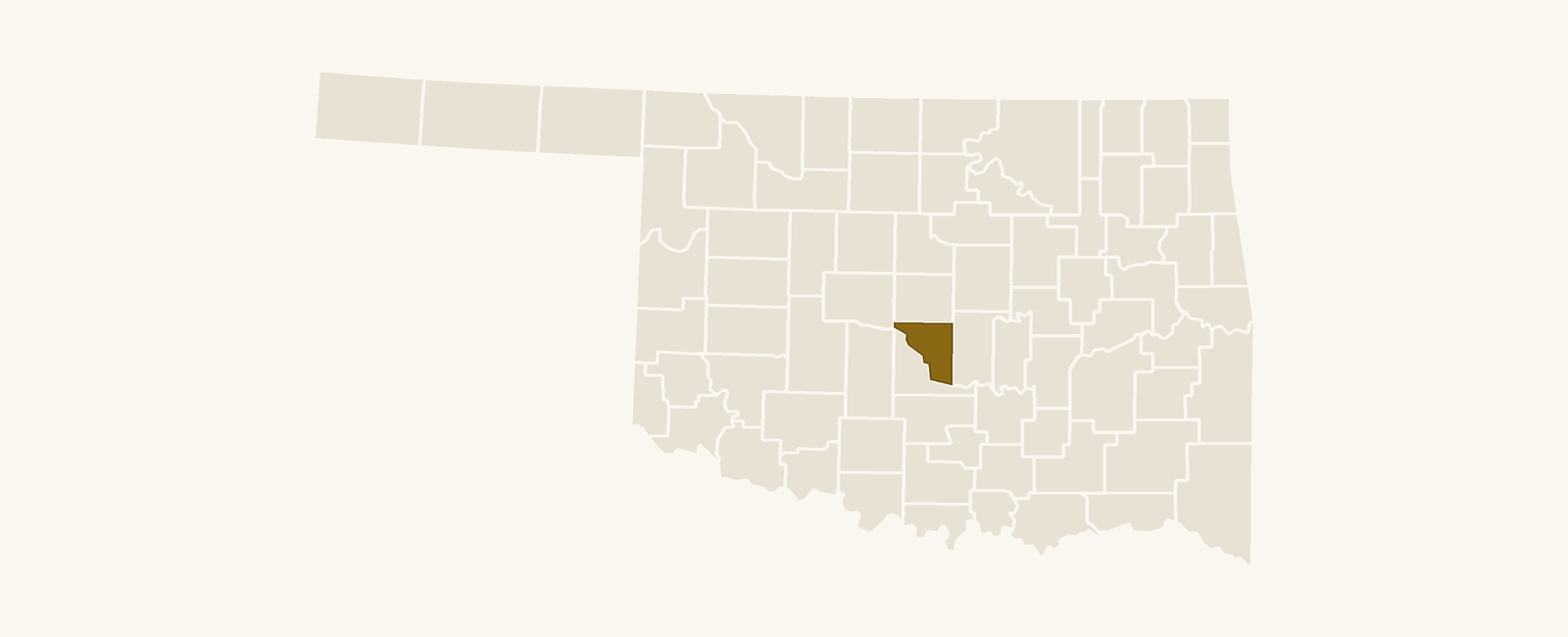
What Cleveland County housing looks like for an investor
Cleveland County has 123,193 housing units and a population of 297,545, and its county seat is Norman. If you are weighing Cleveland County Oklahoma real estate investing, start with what kind of housing you will actually be buying.
Single-family is the core product. About 71% of homes are single-family detached, against 61% across the U.S. About 64% of homes are owner-occupied, and the median home value is $223K. That points to a market of regular houses with real owners behind them.
Tight supply, newer stock. Vacancy is 6% (U.S.: 10%), so a sitting-empty house is less common than in many places. Just 2% of homes were built before 1940 (U.S.: 12%), so you will meet fewer century-old houses with knob-and-tube wiring and more mid-century and later construction. Repair budgets still matter, but the worst surprises tend to be rarer here.
New supply is steady rather than booming. The county permitted 590 new housing units in 2025, a change of +1% from 2024. Builders are adding homes at a roughly flat pace, which tells you competition from new construction is not surging.
Source: U.S. Census ACS 2023
Who is selling: the age and equity picture
The median age here is 35.1, compared with 38.9 nationally, and 14% of residents are 65 or older (U.S.: 17%). That is a younger county than most.
- Probate is real but not dominant. A lower share of older residents means estates are likely a smaller slice of the picture than in a retirement-heavy county. They still matter, because the homes involved tend to be owned outright.
- Younger households mean life-change sales. Divorce, job moves and tight budgets are a bigger part of why people sell.
- Equity is average. About 39% of owner-occupied homes have no mortgage, the same as the U.S. figure. Do not assume every seller is sitting on a free-and-clear house. Some have a lot of equity and some very little, which changes what offer can work.
For a younger county, that means mortgage stress and household changes deserve as much of your attention as estates.
Which court filings come before a sale here
Every lead type offered for this county starts with a filing in court. Each one means something different about the owner's situation and timeline.
Pre-foreclosure. A lender has filed to enforce a mortgage after missed payments. The owner may still want to sell and keep some equity before a court-ordered sale. These owners are often anxious and sometimes overwhelmed by mail, so be calm and clear.
Probate. When an owner dies, the estate is opened in district court and a personal representative is appointed. That person may need to sell, split proceeds among heirs, or clear a house nobody wants to keep. Heirs often live elsewhere.
Divorce. A divorce case can force a sale when neither spouse can afford the house alone, or when a settlement requires dividing the equity. Timing is tied to the court, and emotions run high.
Tax sale. Unpaid property taxes can lead to a sale of the property. The owner may have little time and few options, so the rules and deadlines matter a great deal. Confirm the specifics with an attorney.
All of these filings are public. If you want them delivered the same day they are filed and ready to work, Keystone covers Cleveland County and offers a free 7-day trial with no credit card.

How the process works in Oklahoma, in plain terms
Foreclosure usually goes through a court. In Oklahoma, lenders most often foreclose through the courts. A mortgage can grant a power of sale that allows a non-judicial route, but a homestead owner can make the lender foreclose in court by sending the lender a certified-mail notice at least 10 days before the sale and recording a copy with the county clerk (46 O.S. 43). Whether a given loan is handled one way or the other depends on its documents, so ask an attorney about any specific case.
Court foreclosures end in a sheriff's sale. Under Oklahoma law, the date, time and place of a sheriff's sale must be published for two successive weeks and mailed to the owner at least 10 days ahead when the address is known, the sale cannot be held less than 30 days after the first publication, and the court must hold a hearing to confirm the sale afterward (12 O.S. 764, 765). The Cleveland County Sheriff's Office runs the sales and posts the schedule. If you plan to bid, know the registration and payment requirements well before you arrive.
Probate runs through district court. A judge oversees the estate, and the personal representative generally needs the authority granted by the court before selling real property. Requirements can differ depending on whether there is a will and how the estate is set up, so a buyer should expect to work with the representative and their attorney.
Divorce and tax sale timelines depend on the court and on state law. Redemption rights, notice periods and confirmation steps all affect when you can safely close, so confirm them with a licensed attorney before you commit.
How to approach owners respectfully and legally
Most people behind these filings are dealing with a death, a split or a debt. Treat them that way.
- Lead with honesty. Say who you are, that you buy houses, and that they are under no obligation. Do not imply you are from the court, the lender or the government.
- Skip pressure and false deadlines. Never invent urgency. If the real deadline is tight, they will know it better than you do.
- Respect Do Not Call. Before you phone anyone, check the National Do Not Call Registry rules from the FTC and follow Oklahoma telemarketing rules. If someone says stop, stop and note it.
- Write when it fits. A short, plain letter lets people think in private, which is kinder for grieving families.
- Suggest advice. Encourage owners to talk to an attorney or a housing counselor. A seller who understands their options trusts you more.
What to look for before making an offer
Run the numbers on rent. If you are considering buy-and-hold, HUD Fair Market Rent for the Oklahoma City area is $1,264 monthly for a 2-bedroom and $1,713 for a 3-bedroom. Those are area benchmarks, not a promise for any one house, so compare them with the price you would pay and your repair costs.
Price the repairs honestly. With so few pre-1940 homes, systems tend to be newer, but age still varies. Inspect the roof, foundation, HVAC and plumbing before you offer.
Understand the title and the lien picture. Foreclosure, probate and tax cases can all involve other claims on a property. Have a title company or attorney review what stands between you and clear ownership.
Know who can sign. In an estate, the personal representative has to have authority. In a divorce, both spouses or a court order may be needed. Do not rely on a verbal yes from the wrong person.
Plan your exit. Median home value is $223K, so resale to owner-occupants is a real option in a market where 64% of homes are owner-occupied. Decide before you offer whether you will flip, hold or assign.
Questions investors ask
What is the county seat of Cleveland County, Oklahoma?
The county seat is Norman. Court filings for the county, including foreclosure, probate and divorce cases, are handled through the county's courts.
When are Cleveland County sheriff sales held?
The Cleveland County Sheriff's Office runs the sales and posts the schedule, so check it for current dates and times. Under Oklahoma law, the date, time and place of a sheriff's sale must be published for two successive weeks and mailed to the owner at least 10 days ahead when the address is known, the sale cannot be held less than 30 days after the first publication, and the court must hold a hearing to confirm the sale afterward (12 O.S. 764, 765).
Is foreclosure in Oklahoma handled by the courts?
Most often, yes, lenders foreclose through a court case. A mortgage can grant a power of sale that allows a non-judicial route, but a homestead owner can make the lender foreclose in court by sending the lender a certified-mail notice at least 10 days before the sale and recording a copy with the county clerk (46 O.S. 43). Ask an attorney about a specific property before you act.
Can an executor or personal representative sell a house in an Oklahoma estate?
Often, yes, but they typically need authority from the probate court first, and the details depend on the will and the estate. As a buyer, expect to deal with the representative and their attorney, and confirm the requirements with a lawyer.
Can I call homeowners I find in court filings?
You can, but you must follow the National Do Not Call Registry rules and Oklahoma telemarketing rules. Be honest about who you are, keep the tone low-pressure, and stop contacting anyone who asks you to.
See Cleveland County leads for 7 days, free
Real court filings with the owner and property matched. No credit card.